
Head of an international investigation committee: Powerful countries help Israel in violations of Palestinian rights
- Europe and Arabs
- Tuesday , 7 May 2024 14:59 PM GMT
New York - Jerusalem: Europe and the Arabs
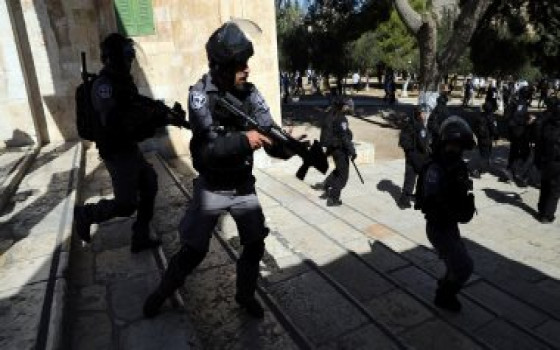
Following the outbreak of tensions in occupied East Jerusalem in April 2021 at the beginning of the month of Ramadan, the United Nations Human Rights Council established a committee composed of independent human rights experts to investigate reports of violations of international law. According to the UN Daily News Bulletin
The resolution also asked the commission to “investigate all underlying root causes of recurrent tensions, instability and prolongation of conflict, including systematic discrimination and repression on the basis of national, ethnic, racial or religious identity.”
The United Nations News Bulletin took a closer look at the work of the Independent International Commission of Inquiry on the Occupied Palestinian Territory, including East Jerusalem, and Israel through an interview with its chairperson, former United Nations High Commissioner for Human Rights and Judge Navi Pele, who provided a vision of the evolving situation there and what is happening on the ground. The level of international law.
“Every country and every member of the United Nations is equal in terms of their obligations to observe international law,” Pele told us.
"Day of Wrath"
In 2021, the imminent threat of forced eviction of Palestinian families from their homes initiated by Israeli settler organizations sparked unrest in and around the Old City of Jerusalem.
This later extended to the occupied West Bank on a larger scale, culminating in the “Day of Rage” on May 14, 2021, when Israeli forces killed 10 Palestinians, the highest number recorded by the United Nations at the time in a single day.
These tragic events prompted the Human Rights Council to establish the Independent International Commission of Inquiry on the Occupied Palestinian Territory, including East Jerusalem, and Israel to examine all alleged violations of international humanitarian law and international human rights law leading up to and since 13 April 2021.
Three years later, the Committee's mandate has become broader, especially since last October 7, after the escalation of hostilities. The committee's mandate now includes additional issues, including reporting on countries transferring military and other weapons to Israel, raising questions about possible complicity in violations of international law.
The Chair of the Committee said that no one could have predicted what happened on 7 October and what followed, noting that the Committee was “the first” on 10 October to issue a statement calling for a cessation of hostilities.
She added that this was “long before other UN organs were speaking up, and long before the UN political organs were reacting. Even now, we have the latest Security Council resolution calling for a ceasefire, and yet the US representative feels that The decision has no validity.”
She warned that it is disturbing that one country continues to violate international law with the help of powerful countries that say they support human rights, saying, "It is very disturbing if a country gets away with this matter."


No Comments Found