
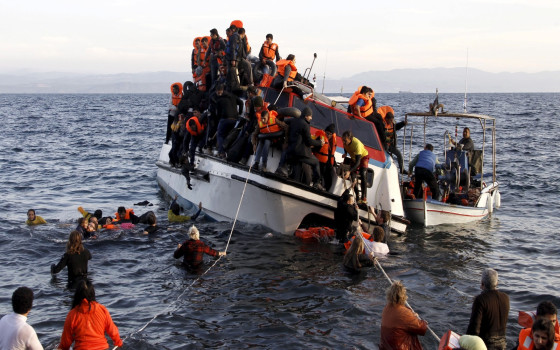
The Mediterranean Sea remains one of the most dangerous migration routes, and more than 300 million people live outside their countries of origin. The United Nations: Migration boosts economies, connects cultures, and benefits everyone.

- Europe and Arabs
- Saturday , 20 December 2025 7:7 AM GMT
New York: Europe and the Arabs
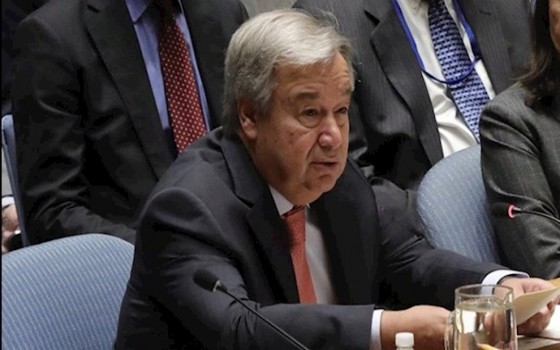
UN Secretary-General António Guterres called for harnessing the power of migration to promote sustainable development and build more resilient societies. This begins with challenging narratives that dehumanize migrants and replacing them with stories of solidarity, according to the UN News Daily, which carried his message on the occasion of International Migrants Day, observed annually on December 18. Guterres stated that migration is a powerful engine of progress, boosting economies, connecting cultures, and benefiting both countries of origin and destination.
However, he warned that when migration is mismanaged or misrepresented, it can fuel hatred and division, endangering the lives of people seeking safety and opportunity.
He noted that since 2014, nearly 70,000 migrants have died or gone missing along land and sea routes, and the true number is likely much higher. He added that border restrictions are increasing, smugglers and human traffickers are profiting, and women and children are among the most vulnerable.
"On this International Migrants Day, let us stand together for the rights of every migrant and make migration dignified and safe for all," Guterres said.
"My Great Story"
This year's International Migrants Day theme is "My Great Story: Cultures and Development," which highlights how the movement of people drives growth, enriches societies, and helps communities connect, adapt, and support one another.
"Migration is intertwined with the lives of families and communities everywhere. It is a story of courage, resilience, and the bonds that unite us across borders," said IOM Director General Amy Pope.
"Today, we honor those who have embarked in search of safety and opportunity, and we call for global solidarity in building fair and inclusive systems that protect them. When migration is managed with dignity and purpose, it benefits everyone." Billions in Remittances
The International Organization for Migration (IOM) reports that an estimated 304 million people—nearly 4% of the world's population—currently live outside their countries of origin.
The IOM explains that migrants contribute in numerous ways to the societies where they live and work, bringing skills, creativity, and entrepreneurial spirit that boost local economies. Migrant workers support vital sectors, including healthcare, construction, agriculture, and technology, and provide crucial assistance in countries with aging populations.
The IOM adds that in 2024, migrants sent an estimated US$905 billion in international remittances, most of which went to low- and middle-income countries. These remittances help families cover expenses for food, education, and medical care, and in many cases exceed the value of foreign aid and investment flows.
Risks and Challenges
The IOM warns that despite all this, migration faces increasing challenges. By the end of 2024, 83.4 million people were internally displaced due to conflict, violence, and disasters, while new emergencies continued to push communities beyond their capacity to cope.
She added that while most migration occurs safely and in an orderly fashion, many people still face grave risks when crossing borders, particularly in places where regular routes are limited.
She noted that the Mediterranean Sea remains one of the deadliest migration routes, with more than 33,000 deaths recorded since 2014.



No Comments Found