
With the start of the new year... Bulgaria becomes the 21st country in the Eurozone (the single European currency)

- Europe and Arabs
- Thursday , 1 January 2026 7:37 AM GMT
Brussels: Europe and the Arabs
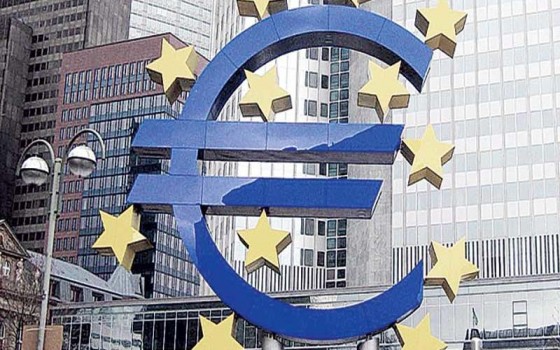
As of Thursday, January 1, 2026, Bulgaria will adopt the euro as its official currency, marking a significant milestone for the country, the history of the euro, and the European Union as a whole. This follows a period of intensive preparation and efforts by Bulgaria to meet all the necessary requirements. According to a statement issued by the European Commission in Brussels, the euro will provide practical benefits for Bulgarian citizens and businesses, facilitating travel and residency abroad, enhancing market transparency and competitiveness, and easing trade. Euro banknotes and coins will become a tangible symbol for all Bulgarians of the freedom, comfort, and opportunities that the European Union offers its citizens.
The European Commission has fully supported Bulgaria in its accession process to the eurozone. With Bulgaria's accession, 21 EU member states and more than 357 million EU citizens will share the Union's single currency. Public support for the euro in the EU and the eurozone remains very strong, with a large majority of EU citizens believing that the euro benefits the EU as a whole, and their own country as well, as shown in the latest Eurobarometer survey.
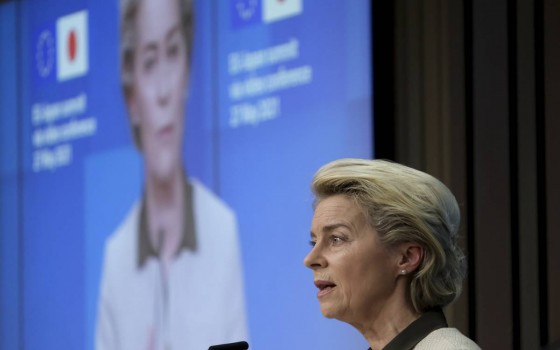
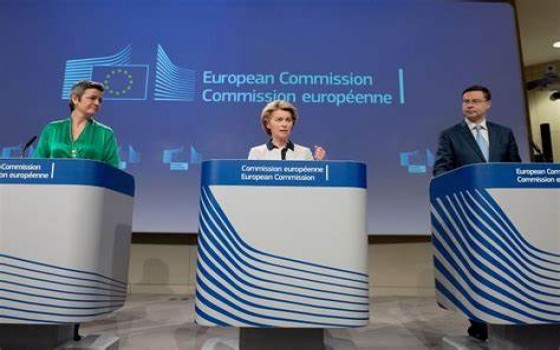
Ursula von der Leyen, President of the European Commission: “Bulgaria’s accession to the eurozone is one of the EU’s greatest achievements. This achievement reflects years of hard work, commitment, and overcoming challenges. The euro will bring many benefits to the Bulgarian people, making payments and travel easier. It will also open up new opportunities for Bulgarian businesses, allowing them to better take advantage of our single market. This will strengthen Bulgaria’s position in Europe. This is a positive step for Bulgaria, strengthens Europe as a whole, and makes our economy more resilient and globally competitive. Congratulations to Bulgaria! You have every right to be proud of what you have achieved.”
Launching the euro
From 1 January 2026, the euro will gradually replace the lev as the official currency of Bulgaria. In keeping with its long track record of exchange rate stability, the lev will be exchanged at a rate of 1.95583 lev per euro. Both currencies will be used side-by-side for one month. When paying in Bulgarian levs, the change will be given in euros. This will allow for the gradual withdrawal of the lev from circulation.
Displaying prices in both levs and euros will be mandatory from August 8, 2025, until August 8, 2026. To protect consumers and address their concerns about unjustified price increases during the transition period, Bulgaria relies on the strict enforcement of consumer protection laws and public awareness campaigns. The Consumer Protection Committee monitors the prices of 101 of the most frequently purchased products daily and publishes them on a dedicated website during the transition period to inform the public and encourage businesses to refrain from unjustified price hikes.
Commercial banks have already received euro banknotes and coins from the National Bank of Bulgaria and have distributed the euros to shops and other businesses. Lev banknotes and coins can be exchanged at the National Bank of Bulgaria, commercial banks, and any post office in rural areas without a commercial bank. Exchanges at the National Bank of Bulgaria are free and unlimited in duration. Currency exchanges at banks and post offices are free for the first six months. Banks and post offices may begin charging exchange fees from July 1, 2026.
Starting January 1, 96% of ATMs in Bulgaria will dispense euro banknotes, with the remaining percentage to be dispensed as soon as possible (within two weeks).
The European Commission concluded in its 2025 Convergence Report that Bulgaria meets the criteria for adopting the euro. This assessment was supported by the European Central Bank's Convergence Report. In July 2025, EU finance ministers made the formal decision that paved the way for Bulgaria's adoption of the euro.
The Bulgarian authorities have made extensive preparations for the country's entry into the eurozone by implementing their National Transition Plan, which outlines all the details for regulating the introduction of the euro and the withdrawal of the lev. Consumer protection is at the heart of Bulgaria’s National Transformation Plan. Mechanisms have been put in place to ensure a safe environment for consumers, based on three main pillars: dual pricing, price controls for goods and services, and oversight of traders and service providers.
Preparations for the transition were completed with a comprehensive communication campaign launched by the Bulgarian authorities, with contributions from the European Commission and the European Central Bank.



No Comments Found