
EU Leaders Tour the Middle East: First Joint Summit with Jordan, Support for Democratic Transition and Economic Recovery in Syria, and Talks with the Lebanese President
- Europe and Arabs
- Tuesday , 6 January 2026 8:29 AM GMT
Brussels: Europe and the Arab World
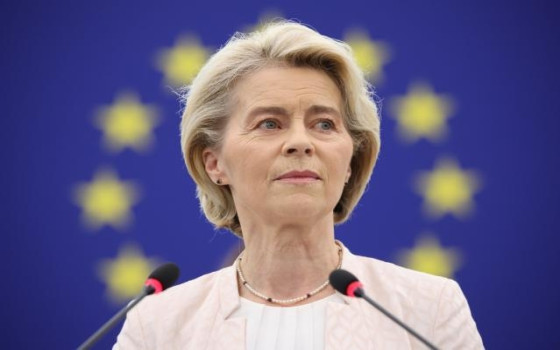
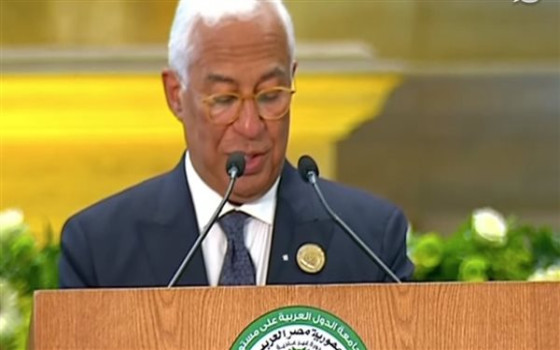
A statement issued by the European Union institutions in Brussels announced that on January 8 and 9, 2026, European Council President António Costa will be in Amman, accompanied by European Commission President Ursula von der Leyen, on a tour of the Middle East.
The statement explained that on January 8, they will represent the European Union at the first joint summit with Jordan in Amman.
On January 9, Presidents Costa and von der Leyen will travel to Syria and Lebanon.
EU-Jordan Summit
On January 8, Presidents Costa and von der Leyen will meet with King Abdullah II at the first joint EU-Jordan summit.
The summit will focus on bilateral relations and deepening the political and economic partnership, as outlined in the Comprehensive and Strategic Partnership Agreement between the EU and Jordan, signed in January 2025. The two leaders will also discuss current global challenges, including the situation in the Middle East, Ukraine, security, trade, and migration. The European statement quoted European Council President Antonio Costa as saying: "Jordan is a strategic partner of the European Union and plays a pivotal role in the Middle East. The European Union highly values Jordan's leading role and generosity in hosting Syrian refugees for more than a decade." Our first bilateral summit will provide a great opportunity to strengthen our partnership and address common challenges in these difficult times.
The summit will begin at 12:00 PM Brussels time.
Visits to Syria and Lebanon
On January 9, President António Costa and President Ursula von der Leyen will travel to Damascus, Syria, where they will meet with President Ahmad al-Sharaa. Later that day, they will meet with Lebanese President Joseph Aoun in Beirut. The visit follows a meeting between von der Leyen and the head of Syria’s transitional government, Ahmad al-Sharaa, on the sidelines of the 80th session of the United Nations General Assembly in New York last September, where they discussed ways to support stability and the political transition in Syria. Nearly a year after the overthrow of the previous regime, Syria has entered a delicate transitional phase, ending fourteen years of armed conflict. The new government is under increasing international pressure to protect minorities, particularly the Alawites, who have suffered massacres in recent months.
Lifted Sanctions and Increased Financial Pledges
On May 20, the European Union formally ended all economic sanctions that had been imposed on Syria. Under the previous regime, and since its fall, European officials have made frequent visits to Damascus, bringing with them announcements of various forms of aid for reconstruction and recovery.
The most recent of these visits was in March, when the EU pledged approximately €2.5 billion to support Syrians both within their country and in neighboring states during 2025 and 2026.
Brussels' message: Hope is no longer a distant dream. Ursula von der Leyen announced this commitment during her speech at the opening of the ninth European Council summit in Brussels in March of last year, describing the situation in Syria as a historic transformation, saying: "Syria is a new country." Today, the dreams and aspirations of the Syrian people are no longer suspended.
She considered that signs of hope are closer to realization for the first time in decades, praising the steps taken by the new Syrian authorities since assuming responsibility.
In a direct reference to the bloody events that took place in Latakia Governorate on March 6, von der Leyen stressed that the government's commitment to holding perpetrators accountable, protecting minorities, and forming an inclusive government constitutes essential pillars for any serious national reconciliation process.
European Support for Syria
She affirmed that the European Union will continue to address urgent humanitarian needs first, but it is not only committed to this, but also seeks to support economic and social recovery, alongside a comprehensive political transition.
She noted expectations of the return of 1.5 million Syrian refugees to their country this year, in addition to the potential return of two million internally displaced persons to their areas of origin, emphasizing that the EU is working with host countries and UN organizations to facilitate this return.
Von der Leyen highlighted the importance of Syrian Foreign Minister Asaad al-Sheibani's participation in the Brussels Conference, considering his presence a pivotal moment in the relationship between Both sides.
She extended a clear invitation to him to outline his people's priorities and the government's plans for rebuilding state institutions, emphasizing: "We are ready to move forward with you every step of the way. Europe is ready to play its part."


No Comments Found