

Kuwaiti opposition wins legislative elections

- Europe and Arabs
- Friday , 30 September 2022 15:55 PM GMT
AFP
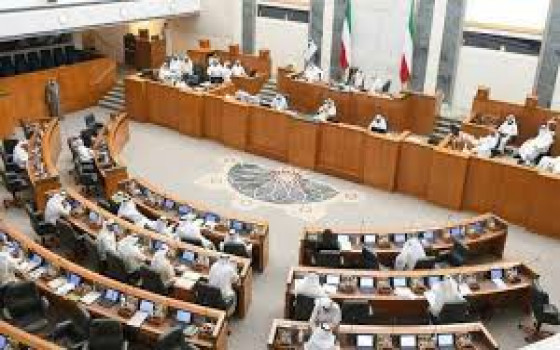
The Kuwaiti opposition won and women returned to the National Assembly in the legislative elections that took place on Thursday, two months after the parliament was dissolved in the oil-rich Gulf state, which enjoys an exceptional parliamentary life compared to its neighbors.
According to the results of the elections announced on Friday, the opposition won 28 of the 50 seats in the National Assembly, while 20 former deputies lost their seats, including three former ministers.
Women returned to the Kuwaiti National Assembly with the winning of former Minister Jenan Boushahri and Alia Al Khaled. Women did not win any seat in the last legislative elections, which took place in 2020.
And participated in Thursday's elections, which is the sixth in ten years, opposition figures and political currents who boycotted the polls a decade ago, accusing the executive authorities of influencing the work of Parliament.
The Shiite deputies won nine seats, while the Islamists, including the Salafists, the Muslim Brotherhood and independent candidates, won eight seats.
Former National Assembly Speaker Ahmed al-Saadoun, 87, returned to parliament after a 10-year boycott of the elections, and won more than 12,000 votes.
For the first time in the history of the legislative elections, it was announced that two candidates had won, despite their presence in prison for their participation in a by-election criminalized by law.
Hamid Mahri Al-Bathali and Marzouk Al-Khalifa did not prevent them from running for elections, because they are being pursued in a case that does not affect honesty or honor, according to Kuwaiti law.
The country near Iran and Iraq is rocked by recurrent political crises related to the government, figures from the ruling family, and the parliament, which has been dissolved several times. The reason is often the demand of deputies to hold ministers from the princely family accountable over issues including corruption.
Kuwait is one of the largest exporters of crude oil in the world and was the first Gulf country to adopt a parliamentary system in 1962.
For his part, Kuwaiti political analyst Ghanem Al-Sulaimani told AFP that the 2022 elections carried "big surprises."
According to Al-Sulaimani, "the sweeping of opposition deputies poses a major challenge to the next government, which is facing economic difficulties and growing popular demands to implement development projects."
However, he did not rule out the "cooperation" of the government and parliament in the next stage, in implementation of the content of the speech delivered by the Crown Prince of Kuwait on behalf of the Emir of the country last June.
The Crown Prince of Kuwait, Sheikh Mishaal Al-Ahmad Al-Jaber Al-Sabah, said in his speech, "We will not interfere in the people's choices for their representatives, nor will we interfere in the choices of the next National Assembly in choosing its speaker or its committees, so that the parliament will be the master of its decisions. We will not support one group at the expense of another."
The decision to dissolve parliament went into effect in August.




No Comments Found