

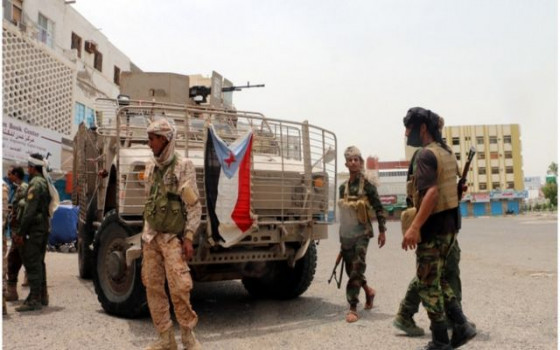
The truce ends in Yemen and the United Nations continues to press for a broader agreement

- Europe and Arabs
- Monday , 3 October 2022 18:48 PM GMT
ADEN (Reuters) - Yemen's warring sides failed to renew a U.N.-brokered truce agreement that expired on Sunday, dashing some Yemenis' hopes for a broader deal that would ease economic woes and prolong relative calm after more than seven years of war.
UN Special Envoy Hans Grundberg said late on Sunday he would continue to press for a broad and extended agreement between the Saudi-led coalition and the Houthi movement, both of whom are under intense international pressure to reach an agreement.
This is a sad day for the Yemeni people, said Abdullah Ali, 58, a teacher in the capital, Sanaa, where people rushed to stock up on fuel and food on Sunday night.
Ali told Reuters by phone that Yemenis were hoping to start receiving their salaries and move toward a ceasefire. He added that citizens were shocked.
Grundberg's proposal is to extend the truce for six months, a mechanism to pay civil servants, and increase the movement of goods and people in a country where 80 percent of the population of about 30 million people depends on aid.
The initial two-month truce was agreed in April and has been renewed twice despite complaints from both sides about its implementation. The truce allowed some fuel ships to enter the port of Hodeidah and some commercial flights from Sanaa, both of which are under the control of the Iran-allied Houthis.
"I will continue my determined efforts to work with the parties to quickly reach agreement on the way forward," the envoy said in a statement, urging the parties to maintain calm.
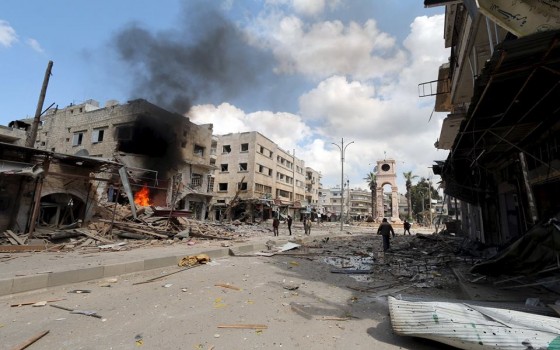
The conflict, widely seen as a proxy war between Saudi Arabia and Iran, has killed tens of thousands, devastated the economy, and left millions hungry.
Riyadh is trying to get out of a costly war in which the Houthis launched missile and drone attacks on Saudi Arabia and the UAE.
On Sunday, the two sides accused each other of obstructing peace efforts. The Saudi-backed government blamed the Houthis, the de facto rulers in the north, for rejecting the deal.
The Houthi Supreme Political Council criticized the United Nations proposal, describing it as insufficient and threatening to launch attacks on airports, ports and oil companies affiliated with what it described as aggressor countries if the Saudi-led coalition did not lift its sea and air restrictions.
The coalition intervened in March 2015 after the Houthis ousted the internationally recognized government from Sanaa. The group says it is fighting a corrupt regime and foreign aggression.






No Comments Found