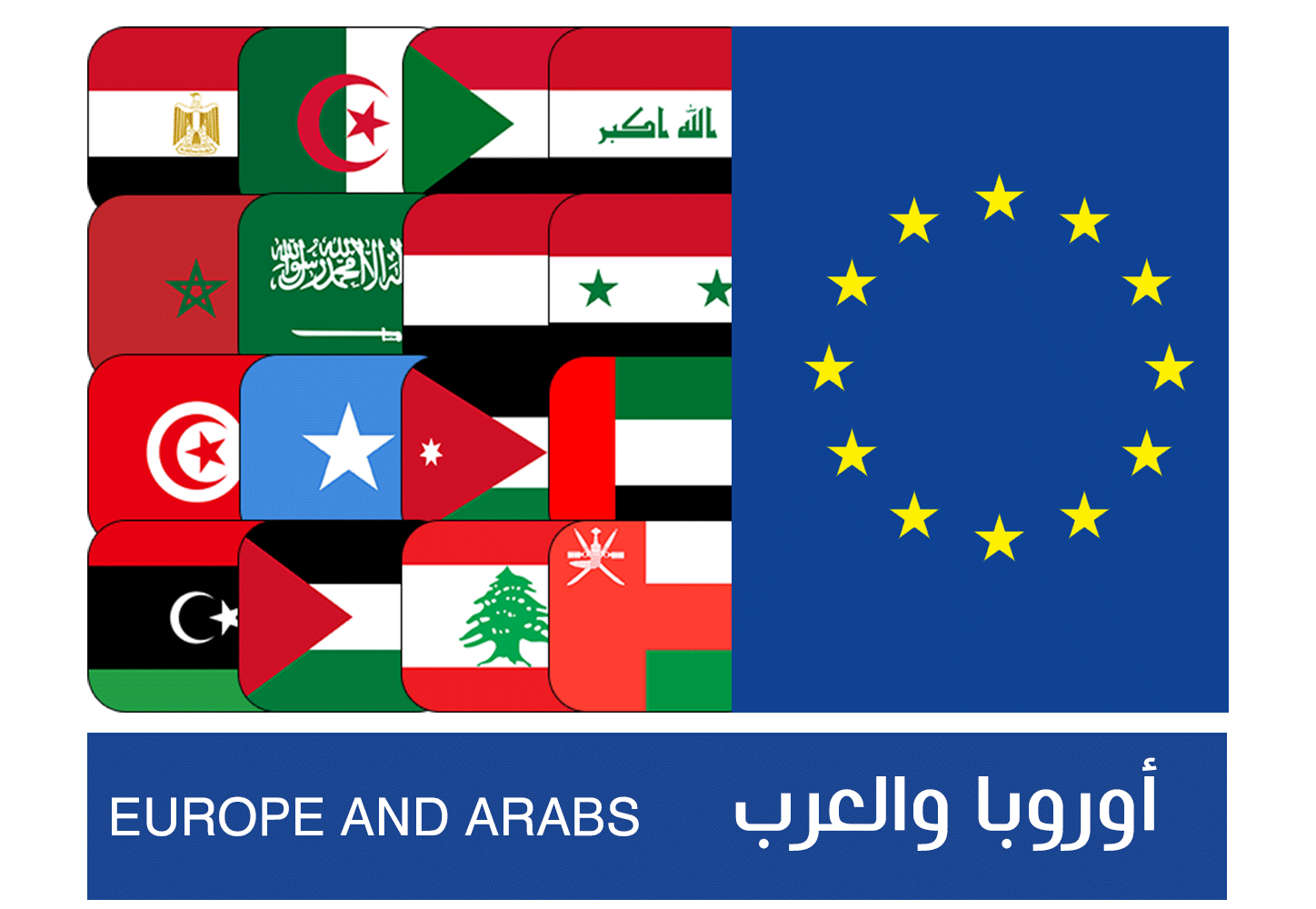

Egypt, Tunisia, Lebanon and Syria benefit from the Food Imports Fund of the "FAO"... and an agreement to support the Mediterranean countries most in need in the field of water management.

- Europe and Arabs
- Monday , 5 December 2022 16:50 PM GMT
Brussels: Europe and the Arabs
The Food and Agriculture Organization of the United Nations (FAO) and Italy will work together to support the Mediterranean countries most in need in the areas of water management, food loss and waste, efficient use and access to fertilizers, innovation and research, according to FAO Director-General QU Dongyu. In front of the second Mediterranean Ministerial Dialogue on the food security crisis, which took place over the weekend in Italy, the organization quoted paragraphs from the Director-General's speech, which stated: "We need cooperation, and we in the Food and Agriculture Organization are ready to get solutions and proposals to work together." The meeting was hosted by Antonio Tajani, Italian Minister of Foreign Affairs and International Cooperation, as a follow-up to discussions held in June.
The FAO Director-General noted that most countries in the Mediterranean region are net food importers, "and many of them depend heavily on imports on basic foodstuffs such as cereals, vegetable oils, oilseeds, pulses or sugar."
The Food and Agriculture Organization welcomed the Black Sea Grains initiative, which was mediated under the auspices of the United Nations and Turkey, as an important first step to improve food availability in the region.
As of November 27, 2022, nearly 12.2 million tons of Ukrainian grain and other foodstuffs have been exported since the agreement was signed in July 2022.
But recognizing that improving food availability is only a necessary first step towards improving food security, FAO has proposed a special line of credit, known as the Food Import Financing Facility (FIFF) to be expanded to low-income countries facing acute food import needs.
The Food and Agriculture Organization website said that four countries in the Mediterranean region - Syria, Egypt, Tunisia and Lebanon - can benefit from FIFF. That is, the Food Import Financing Facility or Fund.
The FIFF concept was adopted by the International Monetary Fund (IMF) and is now known as the "food shock window" at the IMF.
Xu expressed confidence that with the FIFF/Food Shock window in place, an increasing number of vulnerable countries will eventually become more resilient to shocks arising from the global food market.
The Director-General said that FAO is also promoting the use of soil nutrient mapping to improve fertilizer use efficiency, thereby reducing production costs and increasing productivity, with immediate positive results at the country level.
Qu stressed that "there is no food security without peace, and although progress and improvements are possible, we need immediate peace and stability so that we can address the current food crisis."


No Comments Found