
The situation in Sudan, Tunisia and Lebanon is crowding out the Ukraine file in the discussions of the EU foreign ministers
- Europe and Arabs
- Thursday , 20 April 2023 15:33 PM GMT
Brussels: Europe and the Arabs
After a period of domination of the Russian war in Ukraine file on the agenda of the European Union meetings at various levels over the past months, the developments of the situation in the three Arab countries, Sudan, Tunisia and Lebanon, imposed themselves on the agenda of the meeting of foreign ministers of the European Union countries scheduled for next Monday.
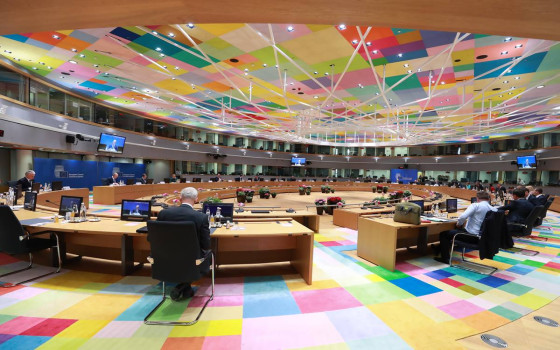
According to what was announced by the institutions of the unified European bloc in Brussels today, Thursday, the Foreign Affairs Council will start exchanging views on the Russian aggression against Ukraine, after a short video intervention by Ukrainian Foreign Minister Dmytro Kuleba.
The Council will then discuss the EU Action Plan on the geopolitical repercussions of Russia's war of aggression, and will be informed on current affairs. Within the framework of this agenda item, the ministers will discuss other files such as: Sudan, Tunisia, Moldova, China and Lebanon.
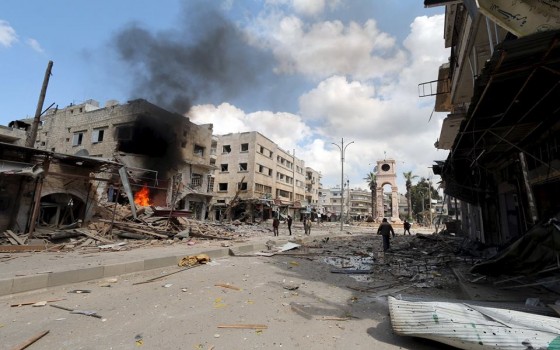
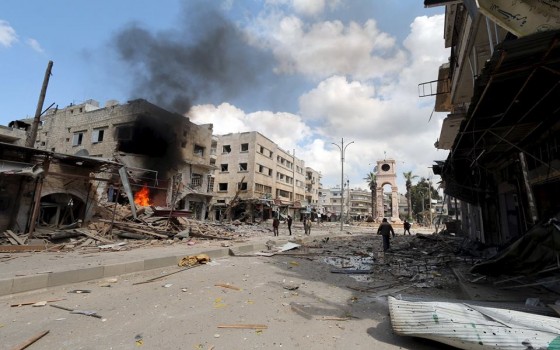
In the Sudan file, the European Union and its member states strongly condemned the fighting between the Sudanese Armed Forces and the Rapid Support Forces, which threatens the safety and security of the people of Sudan, as well as the country's unity and stability.
A European statement issued on Wednesday evening in Brussels said, "The outbreak of hostilities undermines efforts to restore the transition towards a democratic government with civilian leadership. It also threatens regional instability. The European Union deplores the loss of life and the violations of international law, including international human rights law and international humanitarian law." and calls on all actors to comply with international humanitarian law and implement an immediate cessation of hostilities without preconditions The European Union calls on all actors to allow and facilitate rapid and unhindered humanitarian access, as well as to protect civilians and ensure the safety of humanitarian workers The fighting must stop to ensure their protection and make room for dialogue and mediation.In this context, the European Union supports efforts aimed at an immediate cessation of hostilities, which should serve as a first step towards an urgently negotiated permanent ceasefire agreement, also in light of the upcoming Eid al-Fitr.The European Union notes The importance of fully respecting the safety of diplomatic personnel and premises under the Vienna Convention, and strongly appeals to the appropriate authorities to fully protect their security. The security of EU citizens must be guaranteed by all actors. The EU will continue to actively engage with key partners to ensure that all parties prioritize silencing the guns, ending the violence, de-escalating the situation and resolving political differences through dialogue. External actors must refrain from fueling conflict. The European Union welcomes and supports coordinated regional and international collective mediation efforts, including those of the United Nations, the African Union, the Intergovernmental Authority on Development and the League of Arab States, which are essential to returning Sudan to the path of peace and stability and respecting the aspirations of the African Union. The people of Sudan for a peaceful, stable and democratic future. The European Union renews its unwavering support and solidarity with the people of Sudan, especially the women and youth who led a peaceful revolution three years ago. Their aspirations and demands for a better future will not be forgotten.
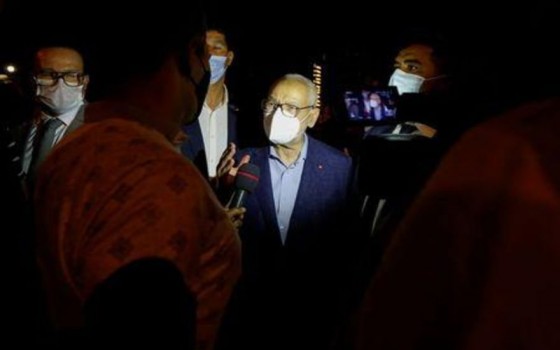
And about the situation in Tunisia, the discussions will come two days after European spokesman Luis Bueno's statements about the developments in Tunisia, in which he said: "We are awaiting the issuance of official data on the reasons for Ghannouchi's arrest, and we recall the need to respect the rights of the defense and guarantee the right to a fair trial." He stressed "the need to respect the principle of political pluralism and that these principles are a fundamental pillar of all democracies and are the basis of the partnership between Tunisia and the European Union."
The European official pointed out that they are "following with concern the recent developments in Tunisia after Ghannouchi's arrest and the closure of the movement's headquarters in the capital, Tunis," considering that "this is in addition to the series of arrests that recently included activists of various opposition groups."
At the end of last February, a European spokeswoman in Brussels said that the European Union is following the developments in Tunisia "closely and with great concern." She added that Tunisia is "going through difficult times," expressing her hope that "the Tunisian authorities will find the right answers to the many challenges," with the participation of "all stakeholders." social and political interest.
She stressed that the European Union is "ready and willing to support unity and efforts when it comes to structural changes." The EU foreign ministers will discuss the situation in Tunisia at their upcoming meeting on March 20.
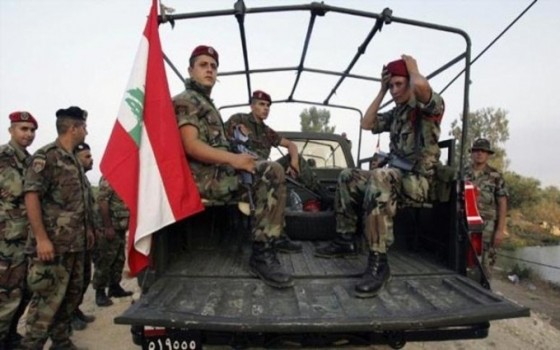
In the Lebanon file, in addition to the political crisis, Lebanon has been afflicted since 2019 by a severe economic crisis, which the World Bank classified as one of the 3 most severe crises in the world, and led to a financial and living collapse and a scarcity of fuel, energy and medicines. According to a European statement, "The political and economic crisis in Lebanon led to the spread of poverty and the collapse of public services and rising societal tensions.The global food and fuel crisis has exacerbated an already dire situation.Currently, some four million people, including 1.5 million displaced Syrians and 2.2 million vulnerable Lebanese, are in need of humanitarian assistance.
It is estimated that 80% of the Lebanese live in poverty and 36% below the extreme poverty line, while 90% of the Syrian refugees cannot cover their basic needs. The European Union's humanitarian funding for Lebanon since 2011 has reached nearly €860 million
Lebanon hosts the largest number of refugees per capita in the world. Syrian refugee families in informal camps and collective shelters tend to live in deplorable and substandard conditions.


No Comments Found