
The UN Relief Coordinator calls for continued support to Syria and other crisis areas. As for Sudan: "There is no hope" at the present time

- Europe and Arabs
- Sunday , 9 July 2023 18:27 PM GMT
New York - Brussels: Europe and the Arabs
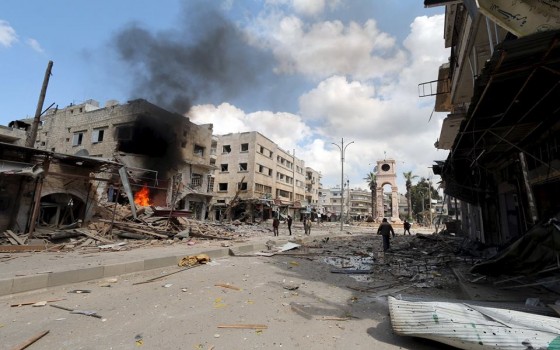
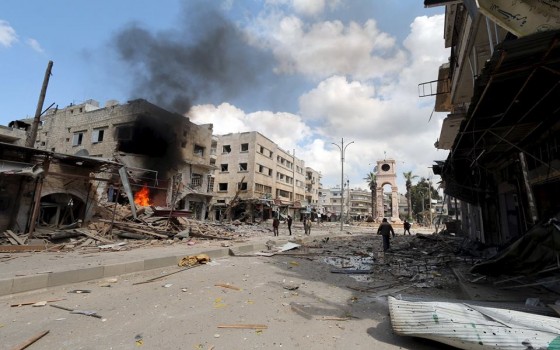
The United Nations Emergency Relief Coordinator, Martin Griffiths, stressed the need for continued aid flows into northwest Syria, and to allow Ukrainian and Russian grain exports to reach global markets in the midst of the ongoing war.
Martin Griffiths spoke to reporters at the United Nations headquarters in New York the day before yesterday. He also touched on the issue of gender-based violence in countries such as the Democratic Republic of the Congo, in addition to the crisis in Sudan.
Cross-border aid mechanism
The UN Security Council authorized the use of the cross-border aid delivery mechanism from Turkey into northwest Syria for the first time in 2014.
The Security Council's mandate to use this mechanism is set to expire on July 10. Griffiths said that negotiations on extending this life-saving mechanism are at a critical juncture.
He added, "We are three days away from the decision point on renewing this decision, and we are all very clear about it."
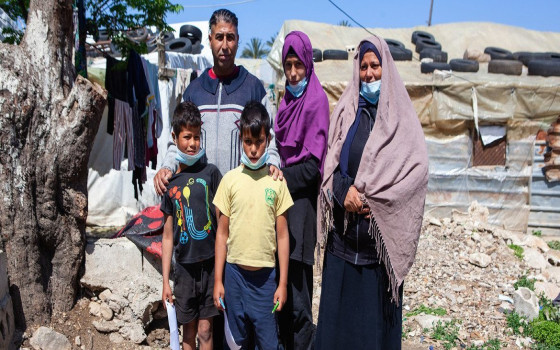
Mr. Griffiths also emphasized the need to ensure increased humanitarian support for Syria, where 90 per cent of the population lives below the poverty line after more than a decade of war.
Severe shortage of funding
The UN official added that the humanitarian response plan for Syria amounting to $5.4 billion was funded by only 12 percent, warning that the lack of funding may force the World Food Program to reduce food rations by 40 percent.
Black Sea Initiative
Mr. Griffiths also touched on the Black Sea Grain Transport Initiative, which is part of two landmark UN-brokered agreements signed last July between Russia, Ukraine and Turkey.
The initiative is scheduled to expire on July 17.
The deal facilitated the export of millions of tons of Ukrainian grain and food, and aims to guarantee the same for Russian food and fertilizer, but Moscow has repeatedly said it sees no reason to continue its participation in the initiative.
In a statement on Friday, UN Secretary-General Antonio Guterres stressed the importance of the "full and continued implementation of the two agreements."
"The world has seen the value of the Black Sea Initiative, so the initiative is not something we can throw away," Mr. Griffiths said in response to a question from a reporter.
Sudan: "No hope" for the time being
Mr. Griffiths is due to travel to Ethiopia this weekend for a meeting on Sudan, where fighting between rival military forces has displaced nearly three million people since mid-April.
He said that the situation in Sudan has not improved at all over the past weeks, noting that access to the Darfur region "is still almost impossible."
Although the authorities in neighboring Chad helped bring humanitarian workers into West Darfur, the security situation there remains very dangerous, he said.
The transportation of aid from Port Sudan also remained a challenge.
“Sudan is, in my view, a hopeless place right now,” Griffiths said, stressing the need to mobilize funding and ensure access across borders from Egypt, Chad and Ethiopia, as well as inside the country.
Mr. Griffiths highlighted the critical role of civil society partners in providing aid in Sudan, who "risk their lives every day to help their communities and neighbourhoods".
Gender-based violence
The Humanitarian Affairs Officer also addressed gender-based violence in the Democratic Republic of the Congo, describing it as among the "terrible tragedies" in the country. And he warned that there would be 125,000 cases this year if the rate of violence continued in this way.
"We need to highlight this issue because it's not just in the Democratic Republic of the Congo. The Secretary-General spoke about it in the context of Haiti. It's happening in Sudan as well. But the Democratic Republic of the Congo, to me, epitomizes the horrific nature of human inhumanity," he added.
Most of these acts of violence are committed against women and girls, he said.
Climate change
On climate change, Mr. Griffiths referred to the unprecedented drought in the Horn of Africa after six seasons of no rain.
The humanitarian response continues following earthquakes in Syria and Turkey in February, and historic floods in Pakistan last year.
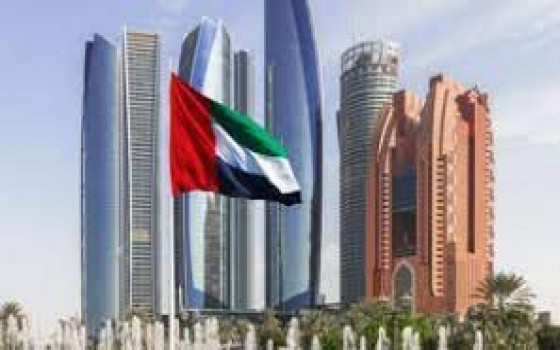
He said that humanitarian workers have intensified their participation in the United Nations conferences on climate change, and the twenty-eighth summit (COP28) is scheduled to be held in the United Arab Emirates in November.
Martin Griffiths said:
“Our focus as COP28 approaches will be to try to maximize the use of climate funds to help communities on the front lines around the world who are directly affected by climate. So, it's about adaptation and resilience.”



No Comments Found