
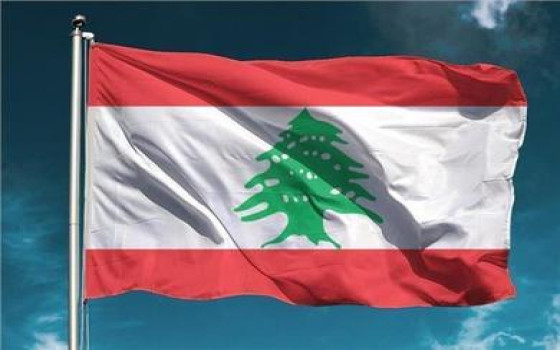
UN official: Successive crises are hindering reforms in Lebanon.. Anti-Syrian rhetoric has doubled in Lebanon in the last four years due to the socio-economic crisis and poverty.
- Europe and Arabs
- Thursday , 5 October 2023 14:30 PM GMT
New York: Europe and the Arabs
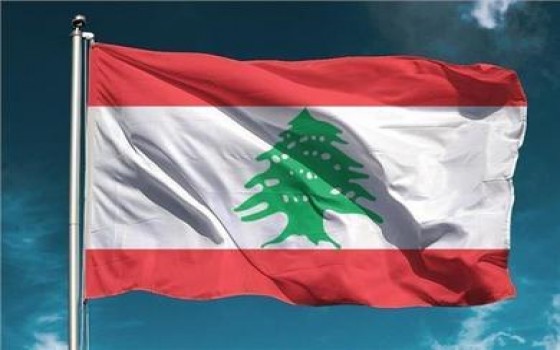
The United Nations Resident Coordinator in Lebanon, Imran Riza, said that Lebanon has retreated significantly on the path of development due to successive crises, including the Covid-19 pandemic, the Beirut explosion, and the financial and economic crisis. He also said that the anti-Syrian rhetoric that has doubled in Lebanon in the last four years due to... The social economic crisis and poverty. This came in an interview published on Thursday morning by the United Nations News Bulletin, from which we received a copy today.
Reza explained to UN News that there are "many challenges" facing the United Nations country team in Lebanon and the international community in their attempt to help the country, describing the decline that has occurred in the past four years as a "setback."
He said that the main issue regarding the economic situation is “reforms,” as the International Monetary Fund has expressed on more than one occasion its dissatisfaction that “things are not on the right track.” He pointed to the political stagnation that the country is suffering from, "There is no president, there is a caretaker government, and there is a parliament that does not meet."
In light of the stagnation in implementing reforms, he stressed that the United Nations team is focusing on “small gains, on areas that can be worked on.”
He added, "There are promising discussions regarding the plans that were prepared in advance and were developed, which are on the path of reforms in areas such as health, education, and social protection."
Involve everyone
The United Nations team is working with its partners to help Lebanon on the path to achieving the sustainable development goals.
The United Nations Resident Coordinator in Lebanon said that food systems constitute one of the areas that link a number of development goals, which is an area for recovery in Lebanon.
Regarding health, education and social protection, Risa stressed that there is a feeling that “something can be achieved” in these areas despite the financial and economic crisis.
He stressed the importance of concerting all efforts on these paths, saying, "This is not a matter of discussion between the government, the United Nations, and donors, but rather parliamentarians and civil society representatives must be involved in the discussions."
Refugees and misinformation
The UN official spoke about the issue of refugees in Lebanon, specifically Syrian refugees, indicating that the solution lies in the voluntary return of refugees or their resettlement in a third country, indicating that voluntary return is not happening at the present time, which means that there are more than one and a half million Syrian refugees living. In Lebanon for more than 12 years.
He pointed to the anti-Syrian rhetoric that has doubled in Lebanon in the last four years due to the socio-economic crisis and poverty.
He stressed that there is a current focus on clarifying the role that the United Nations plays in helping refugees, saying, "It is part of correcting the false and misleading information that exists to try to ensure that people actually understand what the facts are."
He added, "We help mostly about a million refugees and a million Lebanese, as well as Palestine refugees and migrants, so it's about sending the message that our interventions are based on need."
More sustainable interventions
The United Nations Resident Coordinator in Lebanon said that there are not sufficient resources to meet the enormous needs that “include the entire population,” warning that the political vacuum at the present time makes things very difficult.
He explained that the level of aid being provided at the present time is below the minimum requirements for survival, citing the significant rise in inflation rates in food prices by more than 2,000 percent in recent years.
Reza emphasized that the programs they are implementing in Lebanon focus on “the most sustainable interventions,” not just purely humanitarian interventions.
Supporting youth
The United Nations country team in Lebanon provides assistance to youth in the form of a number of programs in cooperation with partners.
Imran Riza said that it is not only about engaging young people, but also “helping them chart the path to the future in Lebanon.”
He gave examples of some projects to help young people, including what is known as “Foras Tech,” which connects them with technology companies.
Another example of helping young people is what the international team did, with the participation of the United Nations Development Programme, to bring together a number of young people to volunteer and help the ministries in the country.
Riza stressed that the United Nations team seeks to ensure that young people have some hope inside Lebanon, especially those who are trying to leave in light of the circumstances the country is going through.
Disturbing events
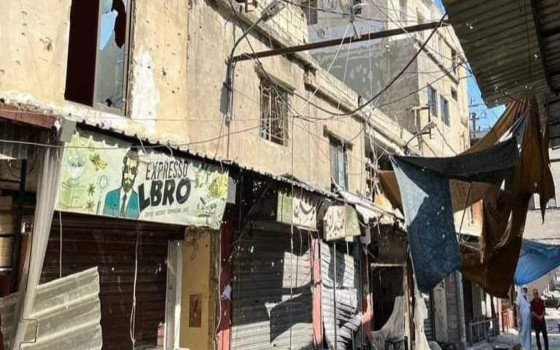
The Ain al-Hilweh Palestine refugee camp in southern Lebanon witnessed violence and clashes earlier, forcing at least 4,000 people to flee their homes.
The United Nations Resident Coordinator in Lebanon described these events as “extremely disturbing,” stressing that the greatest concern now is restoring stability, especially since children have not returned to school.
More than 11,000 Palestine refugee children were unable to join their peers at the beginning of the school year, which began in early October.
Riza said that “nothing will be sustainable” if there is no real demilitarization in the camp, and for the militias facing each other.
He stressed that the matter constitutes a challenge and requires a decent level of mediation, which means a "political solution."


No Comments Found