

A new partnership agreement between the European Union and the countries of the African, Caribbean and Pacific Organization, and implementation at the beginning of the new year

- Europe and Arabs
- Wednesday , 15 November 2023 13:47 PM GMT
Brussels: Europe and the Arabs
The European Union and its member states on Wednesday signed a new Association Agreement with African, Caribbean and Pacific (OACPS) members that will serve as a comprehensive legal framework for their relations over the next 20 years. According to what was announced by the institutions of the unified European bloc in Brussels, which added in a statement, “This agreement succeeds the Cotonou Agreement and will be known as the “Samoa Agreement.” The agreement covers topics such as sustainable development, growth, human rights, peace and security.
The title of the agreement was agreed at the 46th session of the Council of Ministers of the African, Caribbean, Pacific and European Union Community of Ministers, which took place immediately before the signing ceremony, also in Samoa.
The new partnership agreement establishes common principles and covers the following priority areas:
Human rights, democracy and governance
Peace and security
Human and social development
Inclusive and sustainable economic growth and development
Environmental sustainability and climate change
Migration and mobility
The agreement includes a common basis applicable to all parties, as well as three regional protocols for Africa, the Caribbean and the Pacific with a focus on the specific needs of each region.
Together, the 27 EU member states and the 79 African, Caribbean and Pacific countries represent nearly two billion people and more than half the seats at the United Nations. With this new agreement, parties will be better equipped to meet emerging needs and global challenges, such as climate change, ocean governance, migration, health, peace and security.
The provisional application of the Agreement will begin on January 1, 2024.
The agreement will enter into force after approval by the European Parliament and ratification by the parties, i.e. all EU Member States and at least two-thirds of the OACPS members.
The ACP-EU Partnership is one of the oldest and most comprehensive frameworks for cooperation between the EU and third countries.
The partnership's previous legal framework, the Cotonou Agreement, was signed in 2000.
The post-Cotonou negotiations began in September 2018, led by Commissioner Nevin Mimica, on the sidelines of the UN General Assembly meetings in New York. Lead negotiators initialed the new agreement in April 2021.
The Council adopted a decision on the signing and provisional implementation of the agreement on July 20, 2023.
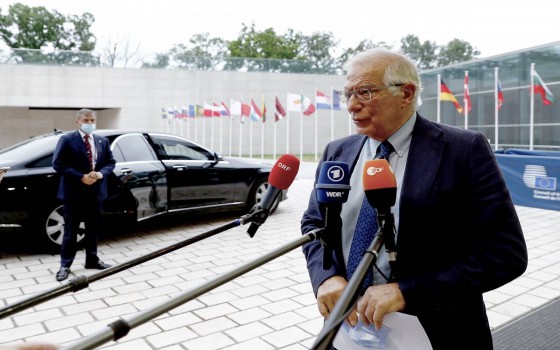
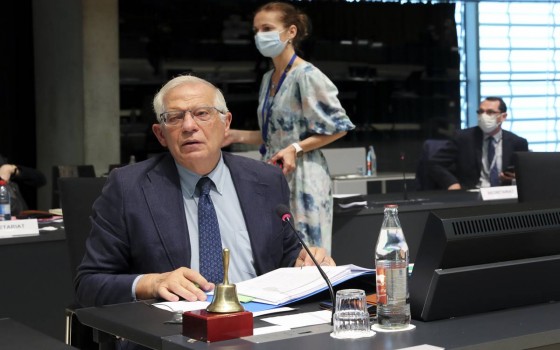
Commenting on this matter, European Union Foreign and Security Policy Coordinator Josep Borrell said, “This agreement is considered a milestone in the European Union’s external relations. The Samoa Agreement brings together more than half of the members of the United Nations, from four continents, around common priorities and interests. It is certain that we We are moving away from the old models and tools that bound the EU to most of these countries to win-win partnerships suitable for today's world. At a time when multilateralism is at risk, the fact that so many countries can come together and agree to join forces to confront global challenges opens the door for optimism.
For its part, the current rotating Spanish presidency of the Union, represented by Pilar Cancela Rodriguez, Secretary of State for International Cooperation in Spain, said, “It is a great honor for us to finally be able to sign the agreement during the Spanish presidency of the Council, after years of work in both parts. The Samoa Agreement would This will help the two sides better address global challenges together, and will enhance bilateral cooperation on a wide range of aspects, from climate to peace and security, in the next two decades. This is a difficult time for joint global action and a multilateral approach. But this agreement shows that groups A very large and diverse group of countries are able to agree on concrete steps to deepen their partnership in order to build a common future. This makes me and the European Union, which I represent here, optimistic.
While Jutta Urpilainen, European Commissioner for International Partnerships, said, “I am convinced that our long journey has ended successfully with the signing of the Samoa Agreement. It will provide a modern framework to revitalize our relations with the largest gathering of partner countries to provide a platform for dialogue and coordination to face the challenges of our time together. We will do our best to harness the collective power of our regions.” The EU and its Member States - as Team Europe - have launched ambitious investment packages under the Global Gateway in all three regions and we are moving forward to implement these packages.



No Comments Found