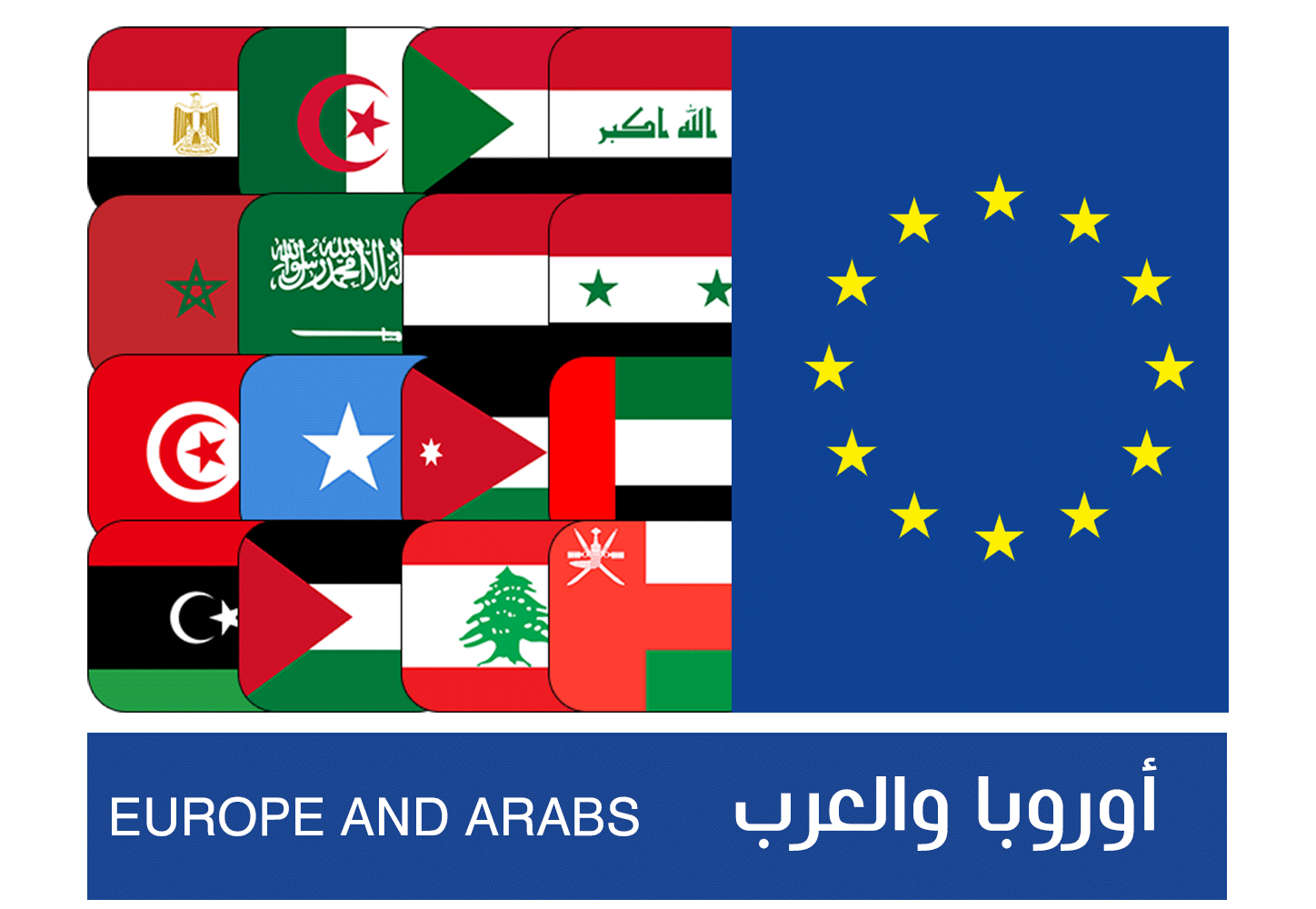

A ministerial meeting brings together Arabs and Europeans within the framework of the Union for the Mediterranean... discusses the situation in the Middle East region

- Europe and Arabs
- Sunday , 26 November 2023 15:17 PM GMT
Barcelona - Brussels: Europe and the Arabs
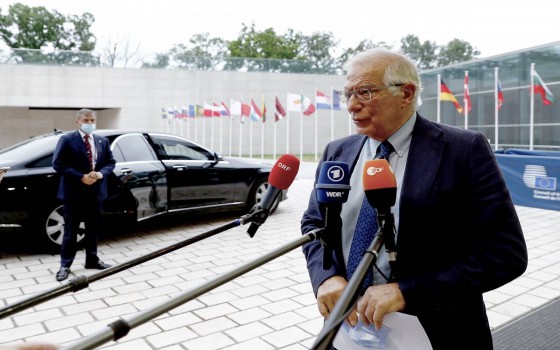
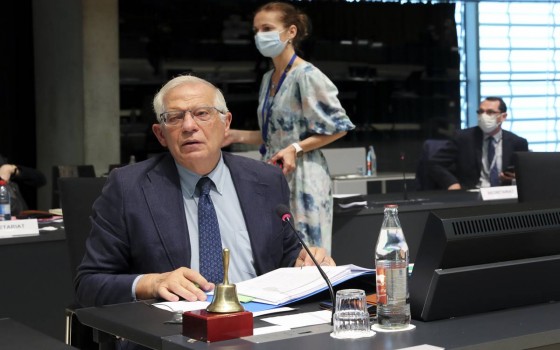
Tomorrow, Monday, the Spanish city of Barcelona will witness a joint meeting that includes the foreign ministers of the Union for the Mediterranean countries, which brings together Arab and European countries on both sides of the Mediterranean. According to a source in Brussels from the office of European Foreign Policy Coordinator Josep Borrell, the ministerial meeting will be held under the current co-presidency of the Union for the Mediterranean, represented by Borrell. The European Union and Jordanian Foreign Minister Ayman Safadi. The invitation is addressed to the diplomatic missions of the Arab League and the Organization of Islamic Cooperation to participate. The meeting will address the current situation of the conflict and aims to develop a common approach to lasting peace in the Middle East. The participants will review the latest developments in the file of escalation between Hamas and Israel, which began on the 7th of last October and continued until last Friday, when the humanitarian truce began to exchange prisoners from the Israeli hostages held by Hamas and the Palestinian prisoners in the occupation prisons. The escalation regretted the killing of more than ten thousand women and children in Gaza as a result. The relentless Israeli bombing caused deteriorating humanitarian conditions, interruptions of electricity and water, severe shortages of medicine, and deteriorating health and living conditions for the Palestinians, whose homes, schools, and hospitals were destroyed, and a number of them were forced to flee to other places and seek refuge in places provided by international humanitarian organizations.
According to the European statement, in this regard, Israel's security cannot be guaranteed by military means alone. For the European Union, the only path to peace, security and sustainable prosperity for both Israel and Palestine is a two-state solution.
It is the duty of the international community to participate seriously to achieve this. The Peace Day Efforts initiative launched by the European Union and a number of Arab countries in September at the United Nations sets out initial steps in this direction.
The Union for the Mediterranean was established by a joint Egyptian-French initiative in July 2008 as a governmental organization succeeding the Barcelona Process, which was launched in 1995. The European-Mediterranean heads of state and government launched the Union for the Mediterranean in Paris against the backdrop of the Barcelona Process, bringing together 43 countries in a partnership based on cooperation with the aim of Addressing the common challenges facing the Euro-Mediterranean region, including economic and social development and environmental degradation, including climate change, energy, migration, terrorism and extremism, as well as promoting dialogue between cultures. The Union includes 43 countries, including the European Union countries in addition to the countries of the eastern and southern Mediterranean, This aims to achieve mutual interests at all levels and confront common challenges in the Euro-Mediterranean region, as well as achieving economic and social development in the southern Mediterranean countries and stimulating dialogue between member states.
The Union for the Mediterranean is an organization that promotes regional cooperation and dialogue, as well as implementing concrete projects and initiatives with a tangible impact on development, with a focus on youth, in order to address the region’s three strategic goals (stability, human development, and integration). Two years after its launch, the Union’s secretariat was established. For the Mediterranean in 2010, as a platform to operationalize decisions taken by Member States and implement strategic regional projects through a specific methodology based on dynamic multi-partner networks and the exchange of best practices and innovative tools.
The Union's activities aim to contribute to regional stability through their connection to the development dimension by focusing on human development and encouraging sustainable regional development, as Union for the Mediterranean projects and initiatives contribute to regional stability and integration, whether through the main comprehensive initiative for the various sectors concerned with providing job opportunities (the initiative Mediterranean Employment) or as a result of the socio-economic impact of strategic infrastructure and innovative urban development projects through the Urban Enterprise Finance Initiative.
With its geographical composition, institutional governance and methodology, the Union for the Mediterranean is the ideal organization that takes into account the priorities of both the European Union, as embodied in the revised European Neighborhood Policy and the Global Strategy for Foreign and Security Policy, and the countries of the southern and eastern Mediterranean; The Union works proactively to achieve higher levels of integration and cooperation in the region through a specific methodology that has yielded positive results in terms of political dialogue and the implementation of initiatives at the region level in which youth play an essential role. The Union for the Mediterranean builds its identity around a political dimension, namely ministerial meetings and meetings. Government representatives that determine priorities for action by adopting a common regional agenda.
Foreign Ministers meet once a year at the Union for the Mediterranean Regional Forum to define strategic areas and priorities, and the decisions adopted by the 43 ministers are determined by consensus.



No Comments Found