

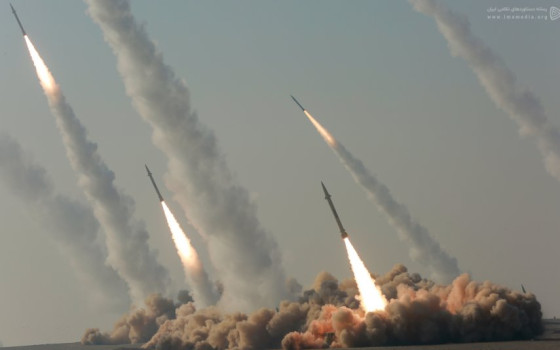
Hezbollah missiles target northern Israel and hit a building...and the Security Council warns of famine in Gaza

- Europe and Arabs
- Wednesday , 28 February 2024 16:24 PM GMT
Beirut - Gaza: Europe and the Arabs - Agencies
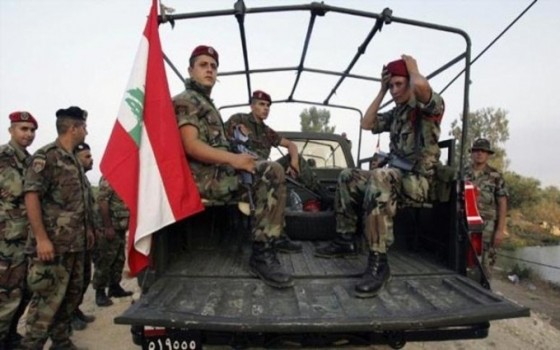
Israeli media reported on Wednesday that Hezbollah fired missiles from southern Lebanon at Israeli military sites and towns in the Upper Galilee region and the border areas, while sirens sounded several times in Kiryat Shmona and in towns in the Galilee.
The Israeli media and an Israeli mobile phone app warning of missiles reported that at least 10 missiles had been detected launched at Israeli sites and border towns, as well as the launching of 4 missiles from Lebanon towards the town of Kiryat Shmona.
Video clips circulated also showed civilian helicopters evacuating injured people from the north to Rambam Hospital.
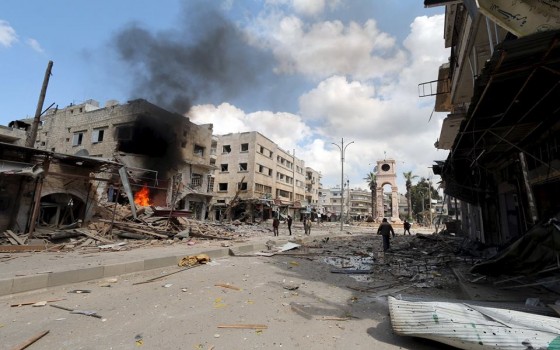
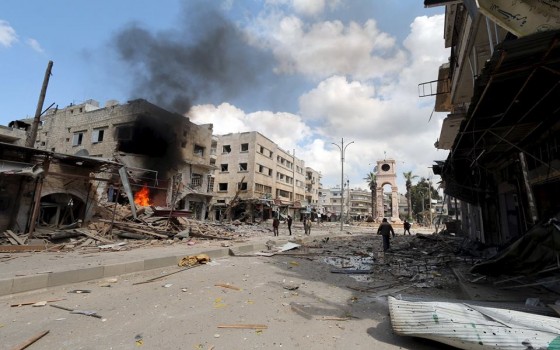
One of the missiles hit a building in the town of Kiryat Shmona, causing damage to parts of it, while a missile was reported to have fallen on a building in the border town of Beit Hillel.
Israeli artillery bombed border towns in southern Lebanon, while the sound of an explosion of Israeli interceptor missiles was heard in the airspace of border towns in the eastern sector of southern Lebanon.
It is noteworthy that the Israeli army escalated the intensity of aerial and artillery bombardment on towns and villages in southern Lebanon, which resulted in martyrs and wounded among civilians, and forced hundreds of families to flee their homes.
Hezbollah entered into a confrontation with Israel in the wake of the “Al-Aqsa Flood” on October 7. Since the beginning of the confrontations between Hezbollah and Israel, the Israeli authorities have been forced to evacuate tens of thousands of citizens from settlements and towns near the border with Lebanon.
This comes after the head of the UNIFIL mission and its Commander-in-Chief, General Aroldo Lazaro Saenz, said that the recent events witnessed on the front between Lebanon and Israel could jeopardize “the political solution to this conflict,” calling on all parties to prevent further escalation. According to what was stated in the daily United Nations news bulletin, a copy of which we received on Wednesday morning
In a statement issued yesterday, Tuesday, General Saenz said that recent days have witnessed a worrying shift in the exchange of fire, while the UN peacekeeping mission is still actively working with the parties “to reduce tensions and prevent dangerous misunderstandings.”
The UNIFIL Commander stressed that the current conflict has claimed the lives of a very large number of people and caused severe damage to homes and public infrastructure, as well as endangering the livelihoods and changing the lives of tens of thousands of civilians on both sides of the Blue Line - the line of withdrawal between Lebanon and Israel.
He said: "We urge all parties concerned to cease hostilities to prevent further escalation and leave room for a political and diplomatic solution that can restore stability and ensure the safety of people in this region."
Thousands were displaced due to the fighting
On the humanitarian level, the United Nations Office for the Coordination of Humanitarian Affairs highlighted the impact of the fighting on civilians in Lebanon, noting the displacement of about 90,000 people in less than five months, while dozens of civilian casualties were reported due to the fighting north of the Blue Line.
UN spokesman Stephane Dujarric said at the daily press conference that the continuation of hostilities and associated challenges are hampering the ability to provide much-needed safe assistance in border villages.
On Monday, the World Health Organization condemned the killing of two paramedics and the destruction of ambulances and vital medical infrastructure in the village of Blida in southern Lebanon over the weekend. The organization stressed the need for attacks on health care facilities to stop.
UN officials have warned that at least 576,000 people in Gaza, equivalent to a quarter of the Strip’s population, are “one step away from famine,” and that one in every six children, under the age of two, in northern Gaza suffers from... Severe malnutrition and wasting.
This came during a session held by the Security Council, yesterday, Tuesday, under the heading “Protection of Civilians in Armed Conflicts,” and was devoted to discussing the issue of food insecurity in Gaza. The Council heard briefings from Ramesh Rajasingham, Deputy Emergency Relief Coordinator, Maurizio Martina, Deputy Director-General of the Food and Agriculture Organization (FAO), and Karl Skow, Deputy Executive Director of the World Food Programme.
Speaking via video, Ramesh Rajasingham warned that “as bleak as the picture we see today is, the potential for further deterioration exists,” noting that military operations, insecurity and widespread restrictions on the entry and delivery of essential goods have devastated food and agricultural production.
He also touched on food security experts warning of a complete agricultural collapse in northern Gaza by May if current conditions continue, with fields and production assets damaged, destroyed, or inaccessible, noting that many had no choice but to abandon productive agricultural land. Due to repeated evacuation and displacement orders.
He added that the hostilities and shortages of basic supplies, including electricity, fuel and water, have led to a virtual halt in food production. He explained that "hunger and the risk of famine" are exacerbated by factors beyond just the availability of food. He explained that insufficient water, sanitation, and health care services “lead to the creation of a cycle of vulnerability,” whereby people suffering from malnutrition, especially among the tens of thousands of infected people, become “more vulnerable to diseases that lead to further depletion of the body’s nutritional reserves.”
Ramesh Rajasingham warned that the sharp rise in malnutrition rates among children and pregnant and lactating women in the Gaza Strip constitutes a “particularly serious concern.” He said: “Add chronic overcrowding, exposure to cold, and the absence of adequate shelter to this lack of nutrition, and you have created the conditions for the widespread spread of epidemic diseases.”





No Comments Found