
Discrimination Against Palestinian Women Under Israeli Occupation: Justice Demands Accountability
- Europe and Arabs
- Thursday , 19 March 2026 4:26 AM GMT
New York – Gaza: Europe and the Arabs
How can justice be achieved for women in an environment where courts have collapsed and legal systems have disintegrated? What is the meaning of reconstruction if restrictions that deprive women of their fundamental rights persist? Is a ceasefire sufficient to guarantee protection, or is dismantling an entire system of discrimination necessary? These questions and more were at the heart of discussions during an event held Wednesday at the United Nations headquarters in New York, as part of the meetings of the Commission on the Status of Women, according to the UN daily news bulletin, a copy of which we received Thursday morning.
She highlighted the disproportionate impact on women and girls, noting that displacement, loss of property, and economic hardship have all weakened women's roles within families and communities. In some cases, women who were economically productive—as is the case in rural or Bedouin communities—have lost their livelihoods and decision-making power.
Fatoum called for a comprehensive and participatory approach to achieving justice, emphasizing that reparations must restore women's rights to land, property, and economic independence.
The Impact of Conflict Dynamics on Women's Access to Justice
For her part, Dr. Carol Daniel Kaspari, an expert at the Carter Center in the United States, stressed the urgent need to integrate a gender perspective into the implementation of the ceasefire and the reconstruction of Gaza.
Based on her more than 20 years of experience in conflict resolution, she highlighted how political systems and conflict dynamics directly affect women's access to justice, their participation, and their long-term stability. Kaspari emphasized that current political discussions on ceasefires and reconstruction often exclude Palestinian women, meaning they bear the brunt of the consequences.
She warned that simply halting the violence does not dismantle the underlying systems of control. Without addressing these issues, women will continue to face restrictions on access to healthcare, justice, and economic opportunities.
She proposed concrete measures, including guaranteeing women's freedom of movement, establishing gender-sensitive monitoring mechanisms, protecting their housing and legal rights, and promoting their economic inclusion in reconstruction efforts. She also called for holding accountable states whose policies contribute to the perpetuation of discriminatory systems.
She concluded, "A ceasefire that maintains existing systems of control is not peace; it is containment."
The theme of the 70th session of the Commission on the Status of Women this year is "Ensuring and promoting access to justice for all women and girls, including through the strengthening of inclusive and fair legal systems, the elimination of discriminatory laws, policies, and practices, and addressing structural barriers."
Participants in the event emphasized that access to justice is a fundamental human right and a means to realize other human rights. They pointed out that achieving justice requires more than temporary solutions; it necessitates genuine accountability and an end to the occupation.
The event, titled "Discriminatory Laws and Policies Against Palestinian Women and Girls under Israeli Occupation: Justice Demands Accountability," was organized by the United Nations Committee on the Exercise of the Inalienable Rights of the Palestinian People.
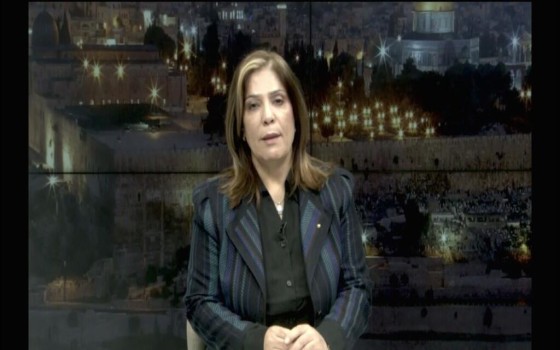
Palestinian Minister of Women's Affairs, Mona al-Khalili, spoke at the start of the session, highlighting the immense and multifaceted challenges facing Palestinian women amidst the ongoing conflict, emphasizing their resilience and the disproportionate burden they bear.
In a pre-recorded video message, al-Khalili described women as a cornerstone of Palestinian society, serving as caregivers, professionals, and human rights defenders, yet enduring compounded hardships during crises.
She stated that the Ministry of Women's Affairs is working to strengthen legal reforms, enhance mechanisms for protection against gender-based violence, and develop national strategies aligned with international frameworks, such as UN Security Council Resolution 1325 on Women, Peace and Security.
She concluded by linking women's rights to broader political objectives, stressing that lasting progress depends on ending the occupation and realizing the Palestinian people's right to self-determination, with women playing a pivotal role in building a just and sustainable future. The Occupation and its Impact on Women's Access to Justice
Ambassador Binda Nanda, Permanent Representative of Namibia to the United Nations and Vice-Chair of the UN Committee on the Exercise of the Inalienable Rights of the Palestinian People, emphasized the need to strengthen justice and accountability for Palestinian women.
During the discussion of this year's Commission on the Status of Women's theme – Promoting access to justice for women and girls – Ambassador Nanda stressed that inclusive legal systems and the elimination of discriminatory laws are essential for achieving gender equality.
He highlighted the disproportionate impact of the Israeli occupation on Palestinian women, noting that "the structure of the occupation and its effects severely harm women, who do not have equal access to justice."
He detailed a range of violations against Palestinian women, including "house demolitions, forced displacement, family separation, restrictions on movement, and ill-treatment of detainees." He emphasized that these practices not only undermine fundamental rights but also exacerbate socioeconomic inequalities. "Gaza Strip Without Justice"
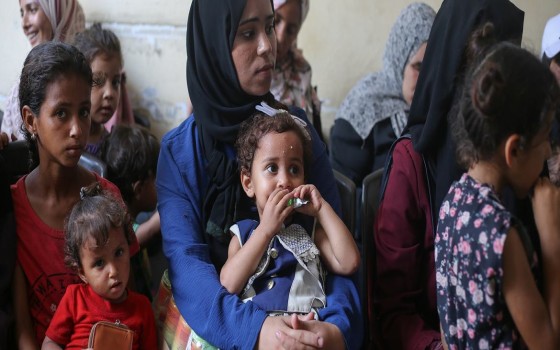
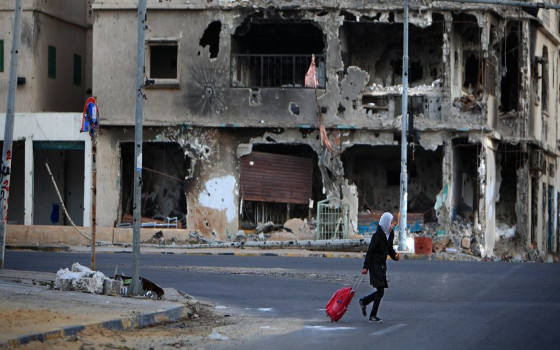
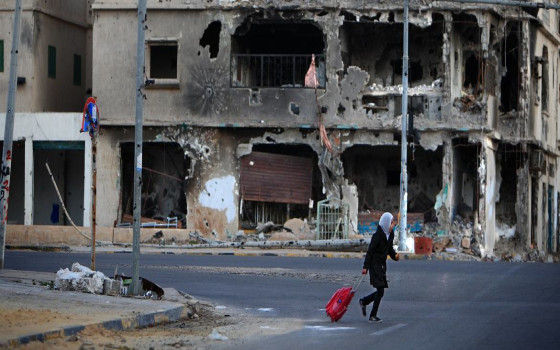
In a video message from Gaza, Ms. Amal Siam, Director of the Women's Affairs Center in the Gaza Strip, spoke about the "collapse of justice" for Palestinian women in Gaza, explaining how war and occupation have dismantled legal systems and stripped women of their most basic rights. She described a reality in which "Gaza Strip has become devoid of justice," highlighting the near-total collapse of judicial institutions amidst ongoing violence, displacement, and a humanitarian crisis.
She emphasized that access to justice is inseparable from general living conditions, noting that the war has not only destroyed infrastructure but also the legal and institutional foundations necessary to protect rights.
She explained that "courts have been razed to the ground, legal systems have been paralyzed, and women have been left without formal avenues for redress." In this context, she stressed that "justice requires a fair legislative environment... free from fear, hunger, and displacement."
She concluded by calling for international support to rebuild the legal system in Gaza, ensure accountability, and restore justice for Palestinian women as the cornerstone of recovery and human rights. Speaking via video link from Haifa, Palestinian human rights lawyer Sawsan Zaher discussed the Israeli Supreme Court's role in what she described as "obstructing reparations and providing impunity for Israeli war crimes."
Ms. Zaher criticized the Israeli legal system, stating that it "systematically obstructs justice and accountability for violations committed against Palestinians, particularly women."
She emphasized that access to justice is essential for holding perpetrators accountable, yet it remains largely unattainable. She noted that "access to justice is an integral part of holding Israel accountable for the crimes it commits," stressing its importance in any effective legal process.
Reparations in the Palestinian Context
Palestinian lawyer Lina Fattoum presented a comprehensive framework for reparations in the Palestinian context, focusing particularly on their impact on women and the need for gender-sensitive justice.
She explained that reparations extend beyond financial compensation to include various forms such as restitution, rehabilitation, and guarantees of non-repetition. In cases where restitution is impossible, compensation and rehabilitation become crucial.
Lina Fattoum emphasized that violations in Palestine are both structural and individual, necessitating comprehensive solutions such as ending the occupation and restoring Palestinian sovereignty, alongside individual compensation and support.
No Comments Found