
A Trump advisor criticizes European leaders' inaction on the Iran war issue; the Brussels summit calls on all parties to de-escalate, protect civilians, and halt attacks on energy and water facilities.
- Europe and Arabs
- Friday , 20 March 2026 5:28 AM GMT
Brussels: Europe and the Arabs
Former US National Security Advisor to Donald Trump criticized the inaction of European leaders regarding a potential war with Iran, describing it as a "mistake" that could lead the president to withdraw support for Ukraine in the face of a full-scale Russian invasion. Simultaneously, a European statement issued after a summit in Brussels declared, "Developments in Iran and the wider region threaten regional and global security. We call for de-escalation, restraint, the protection of civilians and infrastructure, full respect for international law, and an end to attacks on energy and water facilities. We also condemn Iran's indiscriminate military strikes against countries in the region."
Former White House National Security Advisor John Bolton stated that Europe's stance on a war with Iran threatens Trump's withdrawal from the conflict in Ukraine, criticizing the European Union's response to developments in the Middle East.
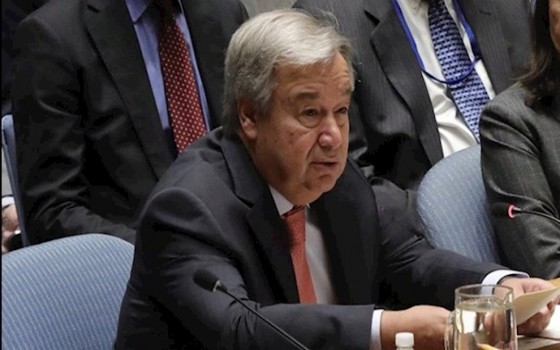
In an interview with Euronews, Bolton, who previously served as the US Ambassador to the United Nations, described a war with Iran as "Europe's war." Bolton said, "Europe is just as vulnerable to nuclear attacks, if not more so. If Iran acquires nuclear weapons, it has the missile capability to strike Central and Eastern Europe, not the United States."
He warned that EU leaders might be offering Trump an "invitation" to consider "Ukraine not America's war," describing the lack of political will among EU countries to participate in a war against Iran as a "mistake."
His remarks came as the US-Israeli war against Iran, which has spread to other countries in the Middle East, approached its fourth week. European leaders have been reluctant to engage in the war effort, amid repeated criticism from Trump, who has expressed his "shock" at their inaction, warning that NATO allies are making a grave mistake by not doing more.
Bolton, one of the most prominent critics of Trump's foreign policy during his second term and a leading voice of concern about the Iranian threat, said that the US president's ultimate goal is regime change. Bolton said: “Trump will declare victory regardless of the outcome, and the argument will focus on the rollback of the nuclear weapons program and the reduced level of support for terrorist groups.” He added: “But if the regime survives, no matter how much damage it has suffered, it will recover, and the nuclear threat and the danger of terrorism will return.”
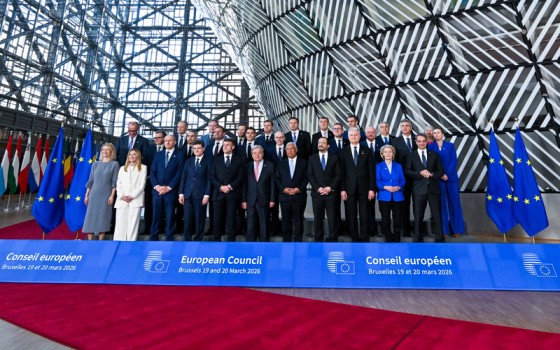
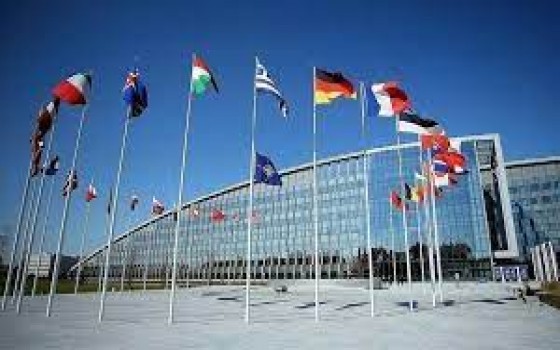
Bolton spoke to Euronews via video call on the sidelines of the European summit in Brussels, where leaders met to discuss the war in the Middle East, the looming energy crisis, and Hungary’s veto of a €90 billion loan to Ukraine. The summit’s final statement read:
Developments in Iran and the wider region threaten regional and global security. The European Council calls for de-escalation and maximum restraint, the protection of civilians and civilian infrastructure, and full respect for international law by all parties, including the principles of the UN Charter and international humanitarian law. In this regard, the Council calls for an end to attacks on energy and water facilities. The European Council expresses its regret for the loss of civilian lives and is closely monitoring the long-term effects of the hostilities, including on economic stability.
The European Council strongly condemns Iran’s indiscriminate military strikes against countries in the region and expresses its solidarity with the affected countries. It calls on Iran and its proxies to immediately cease these attacks and respect the sovereignty and territorial integrity of the countries in the region, in accordance with UN Security Council Resolution 2817, which must be fully implemented. The European Council emphasizes the importance of coordinated action to help partners strengthen their counter-drone and air defense capabilities. In this context, the European Council welcomes Ukraine’s readiness to provide support and expertise in air defense and counter-drone systems to the Gulf States.
The European Union stands firmly and unequivocally with its Member States in the region. It welcomes the support provided by these countries in this regard, particularly through the deployment of military assets in the Eastern Mediterranean and support for Cyprus. The European Council acknowledges Cyprus’s intention to initiate a dialogue with the United Kingdom regarding British bases in Cyprus and stands ready to provide assistance as needed. The European Council reiterates the need to protect regional airspace, ensure maritime security, and respect freedom of navigation. It condemns any actions that threaten navigation or prevent ships from entering or leaving the Strait of Hormuz.
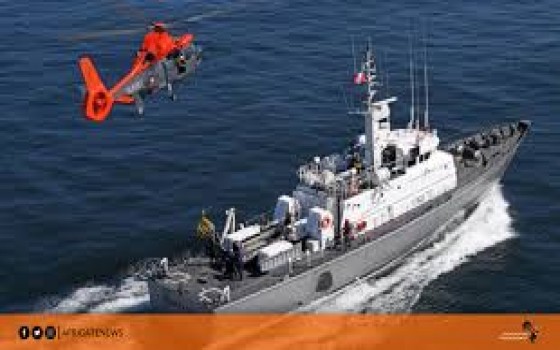
The European Council highlights the role of the EU's two maritime defense operations, Operation Aspidis and Operation Atalanta, and calls for their reinforcement with additional assets, in line with their mandates.
The European Council welcomes the increased efforts announced by Member States, including enhanced coordination with partners in the region, to ensure freedom of navigation in the Strait of Hormuz, subject to the conditions being met.
The EU will continue to protect its security and interests, in cooperation with regional and international partners, to counter the effects of the ongoing hostilities. The EU and its Member States are taking all necessary steps to ensure the safety of EU citizens in the region, including providing the necessary conditions for their safe departure.
The European Council calls upon the Commission to continue reporting to the Council on the potential impact of recent developments on the EU with regard to energy security and prices, supply chains, and migration, and to propose appropriate measures. It also calls for coordination at the EU level, including on the potential impact on internal security.
Although the conflict has not translated into immediate migration flows to the EU, the European Council emphasizes the importance of maintaining a high level of vigilance and ensuring the necessary level of preparedness, based on the tools and policies the EU has put in place over the years. Drawing on the lessons learned from the 2015 migration crisis, and to avoid a recurrence of a similar situation, the EU stands ready to fully mobilize its diplomatic, legal, operational, and financial instruments to prevent uncontrolled migration flows into the EU and maintain security in Europe. The security and control of the EU's external borders will continue to be strengthened. The European Council stresses the importance of working with partners in the region to ensure they receive the necessary assistance and support.
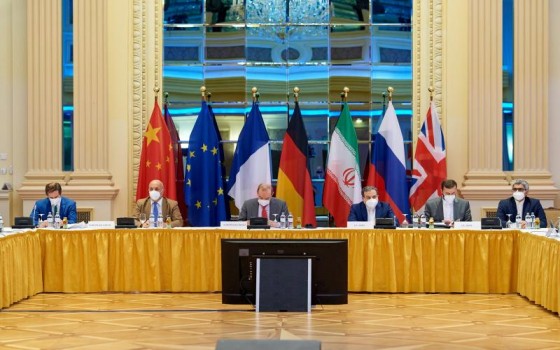
The EU will continue to cooperate with partners in the region to contribute to de-escalation and regional stability. The EU stands ready to contribute to all diplomatic efforts aimed at reducing tensions and achieving a lasting solution to end hostilities, prevent Iran from acquiring a nuclear weapon, and put an end to its destabilizing activities, including its ballistic missile program.
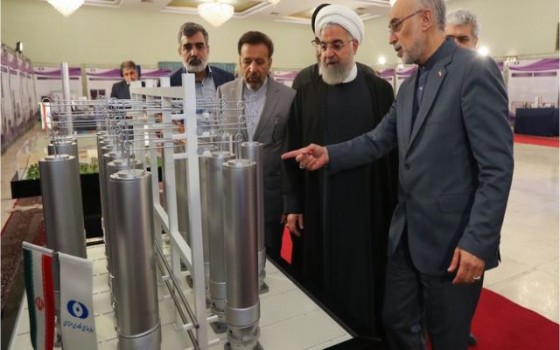
The European Council reiterates that Iran must never be allowed to acquire a nuclear weapon and must comply with its legally binding obligations under the Treaty on the Non-Proliferation of Nuclear Weapons. The Council urges Iran to resume full cooperation with the International Atomic Energy Agency.
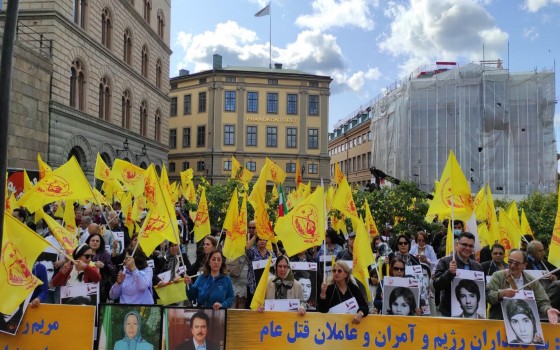
The European Council calls on the Iranian regime to cease its violence and repression against its people and to respect human rights.
No Comments Found