

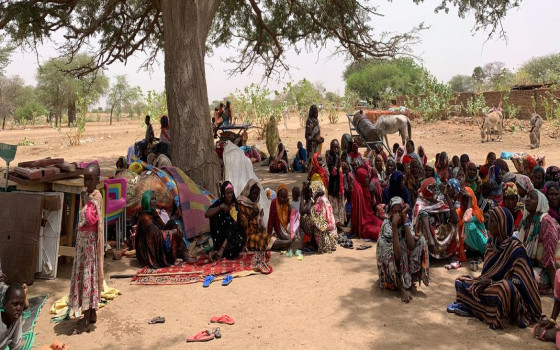
الصراع في السودان :19 مليون طفل خارج اسوار المدارس في اكبر ازمة تعليمية تشهدها البلاد

- Europe and Arabs
- الاثنين , 9 أكتوبر 2023 16:29 م GMT
بروكسل ـ نيويورك : اوروبا والعرب
من بين 19 مليونا، فقد حوالي 6.5 مليون طفل إمكانية الوصول إلى المدرسة بسبب تزايد العنف وانعدام الأمن في مناطقهم، حيث أغلقت نحو 10,400 مدرسة في المناطق المتضررة من النزاع أبوابها.
وفي الوقت نفسه، ينتظر أكثر من 5.5 مليون طفل ممن يقيمون في مناطق أقل تأثرا بالحرب تأكيد السلطات المحلية ما إذا كان من الممكن إعادة فتح الفصول الدراسية.
وحتى قبل اندلاع النزاع في نيسان/ أبريل، كان ما يقرب من 7 ملايين طفل خارج أسوار المدارس.
أسوأ أزمة تعليمية في العالم
وحذرت المنظمتان من أن الأطفال في السودان لن يتمكنوا من العودة إلى المدرسة، خلال الأشهر المقبلة، إذا استمرت الحرب، الأمر الذي سيعرضهم لمخاطر فورية وطويلة الأجل- بما في ذلك النزوح والتجنيد من قبل الجماعات المسلحة والعنف الجنسي.
وحذرت مانديب أوبراين، ممثلة اليونيسف في السودان من أن"السودان على وشك أن يصبح موطنا لأسوأ أزمة تعليمية في العالم".
وأضافت قائلة: "ظل الأطفال يعانون من أهوال الحرب منذ ما يقرب من نصف عام. والآن، بعد أن أُجبروا على الابتعاد عن فصولهم الدراسية ومعلميهم وأصدقائهم، أصبحوا معرضين لخطر الوقوع في الفراغ الذي سيهدد مستقبل جيل كامل".
إلى جانب القراءة والكتابة والرياضيات، يتعلم الأطفال أيضا المهارات الاجتماعية والعاطفية في المدرسة، والتي يمكن أن تصبح في وقت الصراع وسيلة مهمة للتعامل مع العنف والفقدان والصدمات.
وفي الوقت نفسه، توفر المدرسة للأطفال الوصول إلى العديد من الخدمات الحيوية الأخرى المنقذة للحياة مثل التغذية والرعاية الصحية والدعم النفسي والاجتماعي.
وقال عارف نور، المدير القطري لمنظمة إنقاذ الطفولة بالسودان:
"منذ بدء النزاع، برز السودان بوصفه أكبر أزمة نزوح داخلي في العالم، حيث نزح 4.4 مليون شخص جديد داخل السودان- بمن فيهم حوالي 2.5 مليون طفل. بالإضافة إلى ذلك، يجد 5 ملايين طفل في سن الدراسة أنفسهم محاصرين في مناطق الصراع النشط، مما يعرضهم لخطر فقدان الوصول الحاسم إلى التعليم وخدمات الحماية الأساسية".
انخفاض في الإنفاق على التعليم
وأوضحت الوكالتان في البيان أن الإنفاق على الخدمات الاجتماعية شهد انخفاضا حادا، حيث فقد المعلمون- في جميع الولايات تقريبا- رواتبهم منذ بدء النزاع المسلح.
وهناك نقص في الإمدادات التعليمية، ولم تتم صيانة المرافق التعليمية. وبرغم الجهود الجارية في عدد قليل من المناطق لضمان بقاء أنظمة التعليم في السودان فعالة، إلا أن هناك قيودا كبيرة، والاحتياجات تفوق الموارد بسرعة، وفقا للبيان.
بالإضافة إلى التأثير المباشر ومخاطر توقف جميع الأطفال السودانيين تقريبا عن التعليم، أظهرت دراسة أجرتها اليونيسف مؤخرا أن فقدان الدخل- إذا لم تتم معالجته بشكل عاجل- سيؤدي إلى خسارة مدى الحياة تبلغ 26 مليار دولار بالنسبة لجيل الأطفال المتأثر بالحرب.
وتعمل اليونيسف ومنظمة إنقاذ الطفولة مع الشركاء لضمان حصول ملايين الأطفال السودانيين على التعليم الجيد والعودة بأمان إلى المدرسة قريبا قبل أن يتعرض عامهم الدراسي لخطر الضياع.
دعوة إلى السطات السودانية والمجتمع الدولي
ودعت منظمتا اليونيسف وإنقاذ الطفولة السلطات السودانية إلى إعادة فتح المدارس في المناطق الآمنة، مع دعم وسائل التعلم البديلة في المجتمعات حيث لم يعد من الممكن فتح المدارس بسبب مخاوف تتعلق بالسلامة والأمن.
كما دعت المنظمتان المجتمع الدولي إلى التضامن مع الأطفال السودانيين الذين أصبح تعليمهم على المحك، وتوفير الموارد والدعم لضمان عودة ملايين الأطفال السودانيين إلى المدرسة، وضمان حصول الأطفال المتأثرين بالصراع على فرصة الوصول إلى التعلم والدعم النفسي والاجتماعي في أماكن آمنة.






لا يوجد تعليقات