
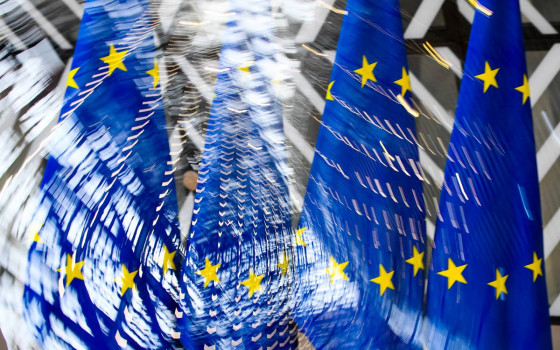
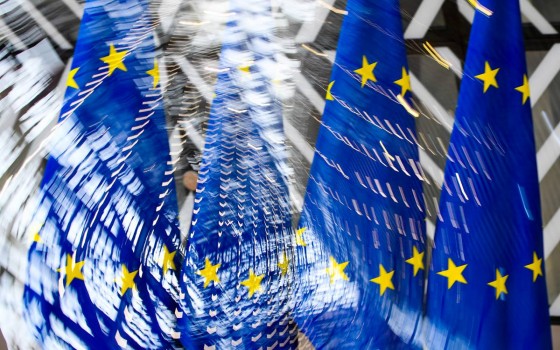
The second meeting between the leaders of the European Union and Australia on the sidelines of the G20: the talks focused on the war in Ukraine, climate change, the free trade agreement and economic relations
- Europe and Arabs
- Wednesday , 16 November 2022 13:48 PM GMT
Brussels: Europe and the Arabs
According to a European statement issued in Brussels on Wednesday Today, 16 November, the Prime Minister of Australia, Anthony Albanese, the President of the European Council, Charles Michel, and the President of the European Commission, Ursula von der Leyen, held the second Australia-EU Leaders' Meeting in the margins of the G20 Summit in Bali, Indonesia. They welcomed the entry into force of the Framework Agreement between Australia and the EU, which marks a new milestone in the relationship.
Meeting against the backdrop of Russia’s war of aggression against Ukraine and a changing strategic outlook in the Indo-Pacific, the Leaders reaffirmed their strong commitment to their shared values, in particular democracy, the rule of law, human rights, and a rules-based multilateral order. They will work closely together to address the climate and biodiversity crises and other urgent global challenges, and promote the achievement of the Sustainable Development Goals. They underlined the importance of an open, free, fair and resilient multilateral rules-based trading system and agreed to work together to implement the outcomes achieved at the 12th WTO Ministerial Conference, including having a fully and well-functioning dispute settlement system by 2024. They reaffirmed their opposition to the use of economic coercion, which is inconsistent with the international legal order and undermines the global trading system and agreed to work together to respond to such practices.
They remain committed to working together to advance human rights and gender equality globally, including in their humanitarian action, development assistance and trade. They agreed on the importance of ensuring that the voices of Indigenous Peoples are heard at the international level, and on the need to learn from and embody their knowledge and experience.
The Leaders acknowledged efforts to emerge from the acute phase of the COVID-19 pandemic and be better prepared for future pandemic threats. They committed to working together to enhance the global health security architecture, including through the negotiation of a legally binding international instrument on pandemic prevention, preparedness and response, as well as founding donors of the newly established Pandemic Fund.
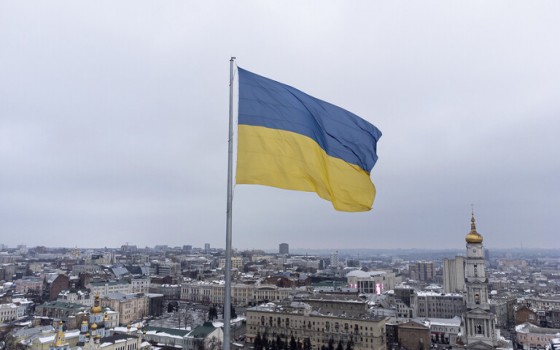
The Leaders condemned in the strongest possible terms Russia’s unprovoked, illegal and unjustified war of aggression against Ukraine. They strongly supported the Joint Statement of the G7 and NATO Leaders on the margins of the G20 Summit in Bali. The EU and Australia commended each other’s strong, principled and united response to Russia’s invasion of Ukraine and their collective show of support for Ukraine.
The Leaders emphasised their shared commitment to taking urgent and ambitious action to address climate change, natural disasters, biodiversity loss and environmental degradation, and to support small, developing and vulnerable states, including Pacific Island countries, with resilience building and adaptation in responding to climate change impacts.
They remain deeply committed to full implementation of the Paris Agreement, noting the urgency to limit global warming to 1.5 degrees through rapid, deep and sustained reductions in greenhouse gas emissions in this decade and to achieve net zero emissions by 2050, and will spare no effort to bring about ambitious action by all members of the international community.
The Leaders resolved to continue to work together in multilateral forums including at COP27 to deliver ambitious climate change outcomes in pursuit of the goals of Paris Agreement. We emphasise the urgent need to accelerate the transformation to renewable energy in this decade.
The Leaders agreed to prioritise the conclusion of an ambitious and comprehensive trade agreement that generates new, commercially meaningful market access opportunities across all goods, services, investment and procurement. They welcomed the constructive 13th negotiation round in October, and the successful prior exchange of improved tariff, and services and investment offers. They acknowledged the vital role that trade and trade agreements play in prosperity, food security, equity and inclusion, innovation, and in diversifying markets and supply chains, including for the transition towards climate neutrality. They agreed that the trade agreement should embrace cutting-edge environmental standards and workers’ rights; support green transition to more sustainable industries and production; incorporate state-of-the-art digital trade rules; and contribute to growth, skills and jobs.
Both sides agreed on the importance of negotiations between Australia and all EU Member States to expand the tax treaty network as a contribution to further strengthening overall economic relations.



No Comments Found