
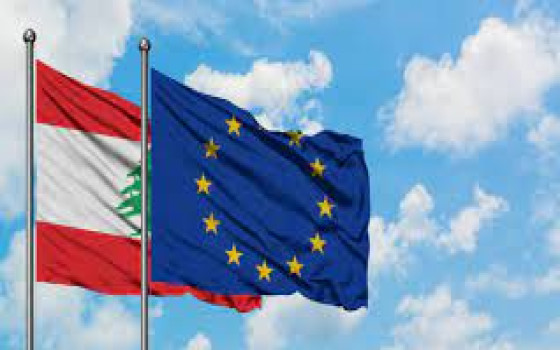
The European Commissioner for Crisis Management and Humanitarian Aid tomorrow in Lebanon

- Europe and Arabs
- Wednesday , 29 March 2023 17:2 PM GMT
Brussels: Europe and the Arabs
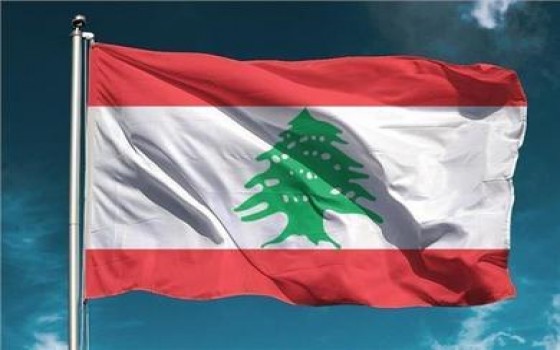
The European Commission in Brussels said that the commissioner in charge of crisis management and provision of humanitarian aid, Janiz Lenarech, will hold talks tomorrow, Thursday, in Beirut, with a number of officials in Lebanon. Mr. Hector Hajjar, Acting Minister of Social Affairs. As well as meeting humanitarian partners.
A few days ago, the Minister of Education and Higher Learning, Dr. Abbas Al-Halabi, returned to Beirut, after he completed an extensive working visit to the European Union headquarters in Brussels and the European Commission, which focused on the educational recovery plan and the provision of education components in public schools.
The Minister and the delegation met with the European Commissioner for the Expansion of the European Neighborhood Policy, Olivier Varhelyi, where the Lebanese reality was presented.
The Commissioner assured Minister Al-Halabi that Lebanon is living in a deteriorating economic and social situation and reiterated the European Union's support for Lebanon and its support for the reforms initiated in this field. He promised to visit Lebanon to make sure of the implementation of the promises he made.
Minister Al-Halabi held a meeting with the Vice-President of the European Commission, Margaric Schinas, where detailed follow-up of the files raised with the European Commissioner took place.
And last December, the European Union mission to Lebanon announced that the Union would allocate 229 million euros this year “to promote the necessary reforms and Lebanese economic development.”
Last January, the European Union announced the launch of two new initiatives worth 25 million euros ($27 million) to support needy (poor) groups in Lebanon and combat food insecurity.
A statement by the European Union stated that these two initiatives are part of the response to confront the negative repercussions of the Russian war against Ukraine on the countries neighboring the European Union.
The project will be implemented in partnership with the Food and Agriculture Organization of the United Nations and the World Food Programme.
The new funding is added to the existing and implemented projects in Lebanon in the field of food security and social protection.
In addition to the political crisis, Lebanon has been afflicted since 2019 by a severe economic crisis, which was classified by the World Bank as one of the 3 most severe crises in the world, and led to a financial and living collapse and a scarcity of fuel, energy and medicines.


No Comments Found