
European Commission: 60 million euros in humanitarian aid for the most vulnerable people in Lebanon

- Europe and Arabs
- Thursday , 30 March 2023 17:2 PM GMT
Brussels: Europe and the Arabs
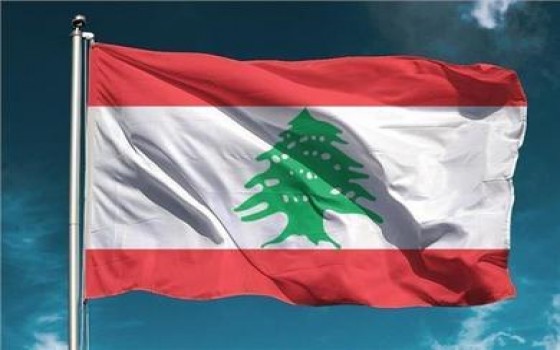
On the sidelines of a visit to Lebanon today, the Commissioner for Crisis Management, Janiz Lenaric, announced the provision of 60 million euros in humanitarian aid to the most vulnerable people in the country, including Syrian refugees and Lebanese in need.
According to a European statement issued in Brussels, "the commissioner visits humanitarian projects funded by the European Union and meets humanitarian partners on the ground, in addition to the Lebanese authorities.
The funding comes as Lebanon's population grapples with increasing levels of poverty, food insecurity and disease outbreaks. An estimated four million people require humanitarian assistance to meet their basic needs.
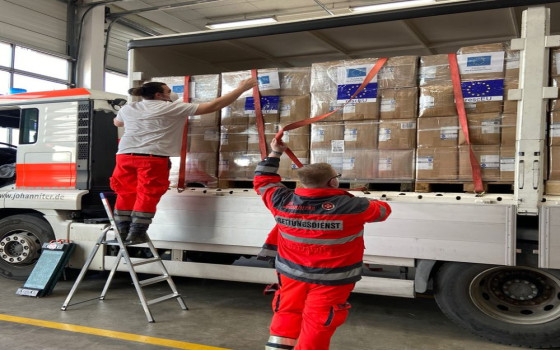
The new humanitarian package announced by the European Union today will provide life-saving humanitarian aid such as food aid, cash support, education and health services to those who need it most. It will also help prepare for disasters and provide emergency response.
All EU humanitarian aid is provided on the basis of needs, regardless of status or nationality. Assistance is provided through NGOs, UN agencies and international organisations. The new funding brings the EU's humanitarian funding to Lebanon since 2011 to nearly €860 million.
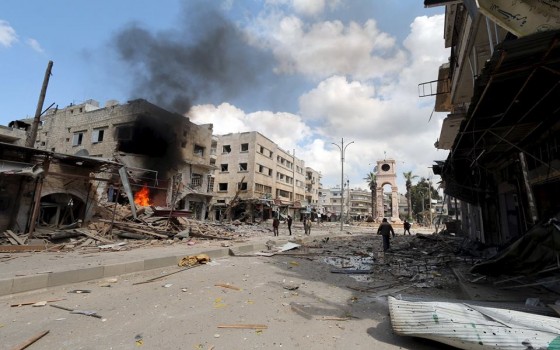
According to the European statement, "The political and economic crisis in Lebanon has led to widespread poverty, the collapse of public services, and increased societal tensions. The global food and fuel crisis has exacerbated an already dire situation. Currently, about four million people are in need, including 1.5 million displaced Syrians and 2.2 One million vulnerable Lebanese, to humanitarian assistance.
It is estimated that 80% of the Lebanese live in poverty and 36% below the extreme poverty line, while 90% of the Syrian refugees cannot cover their basic needs.
Lebanon hosts the largest number of refugees per capita in the world. Syrian refugee families in informal camps and collective shelters tend to live in deplorable and substandard conditions. Moreover, on October 6, 2022, the country declared its first cholera outbreak since 1993.
The European Union has been providing humanitarian aid in Lebanon since 2011. While the support has focused primarily on Syrian refugees only, now due to the deteriorating situation of the Lebanese population, our support is given on a needs basis to both the Syrians and the Lebanese who need it most.
On 14-15 June 2023, the European Union will host the 7th Brussels Conference on Supporting the Future of Syria and the Region. It will be critical to ensure a meaningful response in Lebanon.





No Comments Found