

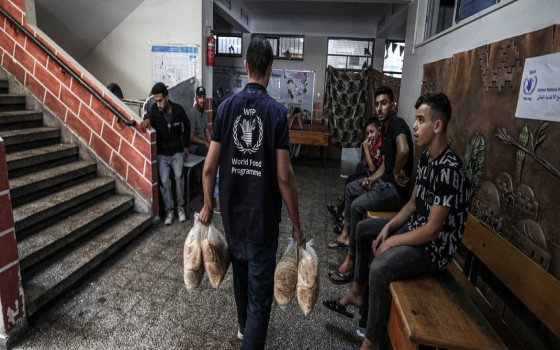
The United Nations calls for a radical change in the flow of aid to Gaza to avoid the risk of famine and warns: The prolonged conflict will increase the risk of escalation.

- Europe and Arabs
- Tuesday , 16 January 2024 16:54 PM GMT
New York - Gaza: Europe and the Arabs
With the risk of famine growing in the Gaza Strip and more people exposed to outbreaks of deadly diseases, there is an urgent need for a radical change in the flow of humanitarian aid to the Strip, the directors of the World Food Programme, the United Nations Children's Fund (UNICEF) and the World Health Organization said. According to what was stated in the United Nations daily news bulletin, a copy of which we received on Tuesday morning
The directors of the three organizations said in a joint press statement, yesterday, Monday, that delivering sufficient supplies to and through Gaza now depends on opening new entry routes, allowing a greater number of trucks to pass through border checkpoints every day, reducing restrictions on the movement of humanitarian workers, and providing Safety guarantees for people accessing and distributing aid.
The statement explained that without the ability to produce or import food, all residents of Gaza depend on aid to survive, warning that humanitarian aid alone cannot meet the basic needs of the residents of the Strip.
The three officials said that the United Nations, international aid agencies and NGOs have so far been able to provide limited humanitarian aid in Gaza, despite extremely difficult conditions, but the quantities are far less than what is needed to prevent the deadly mix of hunger, malnutrition, poverty and disease.
They stressed that the shortage of food, clean water and medical assistance is particularly acute in the northern regions. “People in Gaza risk starving to death just miles away from trucks full of food,” said World Food Program Executive Director Cindy McCain.
“Every hour wasted puts the lives of countless people at risk,” she added. “We can keep famine at bay if we can provide adequate supplies and ensure safe access to all those in need, wherever they are.”
Coinciding with the 100th day since October 7, the Secretary-General of the United Nations renewed the call for an immediate humanitarian ceasefire to ensure that aid reaches those in need in Gaza, facilitate the release of hostages, and extinguish the flames of a broader war.
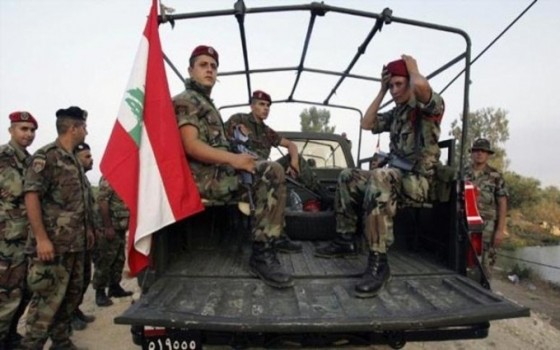
In statements to reporters at the United Nations headquarters, Antonio Guterres said that the prolonged conflict in Gaza will increase the risks of escalation and miscalculations. He added: “We cannot see in Lebanon what we see in Gaza, and we cannot allow what is happening in Gaza to continue.”





No Comments Found